
Check the gaming area before you make the trip
A practical guide to checking gaming-area access, comparing Canberra venues, and interpreting claims about payouts, online play and payments.
Table of Contents
- Before You Head Out, Check the Venue Directly
- What “Best Paying” Can—and Can’t—Tell You
- Online Pokies: Know the Australian Legal Limits
- Getting to a Venue from the Airport or Around Canberra
- What to Check When Comparing Canberra Venues
- Why “24-Hour Pokies” Needs a Venue-by-Venue Check
- Searching for Crown in Canberra: What This Guide Can Verify
- Club Machines and Responsible-Gambling Requirements
- Searching Around Parkes Without Assuming What’s There
- Cashless Payments: What PayID Does and Doesn’t Mean
Before You Head Out, Check the Venue Directly
A listing that says a Canberra venue is open is a useful starting point, not a promise that its pokies are available when you arrive. Opening information can refer to the venue as a whole: a bar, dining area or another part of the premises may be operating while the gaming area is not. If the pokies are the reason for your trip, check the specific part you intend to use.
I make that check before setting off, especially if I’m travelling early, late or on a day when normal routines may change. Look for the venue’s own website or social page first, then call if the information is unclear. A current post can help, but a phone call is the more direct option when you need to know whether the gaming area is open right now.
Be precise about what you ask. “Are you open?” can get you a yes that doesn’t answer the real question. Try: “Is the gaming area open at the moment?” If you’re planning to arrive later, ask whether it is expected to be operating when you get there. That distinction matters: the venue may be open now but close, pause access or change its arrangements before your arrival.
For a quick call, keep it simple:
- Is the gaming area open now?
- Will it be open when I expect to arrive?
- Are there any temporary closures or changes to access today?
- Is there anything I should know before coming in?
You do not need to turn it into an interview. The aim is to confirm the detail that affects your trip, not to collect every piece of venue information in one go. If the person answering cannot confirm the gaming area’s status, ask whether there is a better number or an official page that carries updates.
This is particularly worthwhile when you’re hoping to play early in the morning or later in the evening. A venue’s general opening hours may not match the hours for every area inside it. Don’t assume that a door being open means the pokies are available, or that a past visit tells you what is happening today. Plans change; a quick check costs less than arriving to find you need to rethink the trip.
Pay attention to the date on any information you find. A page with hours may be useful, but it may not reflect a temporary change. An older social post is even less helpful as proof of today’s status. If the venue has posted a recent update, read the whole message rather than relying on a search result or a preview line. If the wording is vague, call.
It also helps to check close to the time you leave rather than hours beforehand. A status can change between your first check and your arrival, and an answer given earlier may not settle what is happening now. If you’re already on the way and the trip depends on the gaming area being open, call again. That is not overthinking it; it is the practical version of checking before you commit.
Keep the call focused on access, not on assumptions. You can ask whether the area is open to patrons at that moment and whether any temporary arrangements affect entry. If the answer is uncertain, treat it as uncertain. A confident guess from an outdated listing is still a guess. Better to pause and confirm than to build your plans around a detail nobody has checked.
Do
- Check the venue's own website or social page first
- Call to ask specifically if the gaming area is open
- Verify the date on any opening information
- Confirm access close to the time you leave
Don't
- Rely on a general map listing alone
- Assume "Are you open?" covers the gaming area
- Trust an old social post as proof of today's status
- Assume a past visit tells you what is happening today
I would not rely on a general map listing alone for a trip made specifically to play. Those listings can be handy for basic information, but they are not the same as a direct update from the venue. If the phone is unanswered, check the venue’s own channels for a recent notice. When neither gives a clear answer, decide whether the trip is worth making without confirmation.
There’s a small but useful difference between “open” and “open for what I came to do.” Keep that in mind when checking any Canberra venue. Confirm the gaming area itself, ask about the time you expect to arrive, and look for a current update if plans are unusual. It takes a moment and saves you from treating a broad opening label as a live status report.
The same habit works whether you are already nearby or setting out from across town: check directly, ask clearly, and use the answer that applies to the gaming area. No drama. Just a better-informed trip.
What “Best Paying” Can—and Can’t—Tell You
Top operators
Top operators
Choosing pokies in Canberra for 2026 means finding an online option that fits your preferences and offers clear details you can check before signing up. Use these brief verdicts as a starting point for your own review.
-
LevelUp Casino
- License
- Curacao eGaming OGL/2023/174/0082 (Dama N.V.)
- Min. deposit
- A$15
LevelUp Casino lists a Curaçao eGaming licence held by Dama N.V. and a minimum deposit of A$15. Check whether those details suit you before playing.
-
Ricky Casino
- Payout speed
- crypto under 1 hour, PayID 1-3 business days
- Min. deposit
- A$20 (A$30 to qualify for the bonus)
Ricky Casino lists crypto payouts in under an hour and PayID payouts in 1–3 business days. The minimum deposit is A$20, or A$30 to qualify for the bonus.
-
Golden Pokies
- License
- Curacao
Golden Pokies lists a Curaçao licence. You can use that licensing detail as one point to consider when assessing the casino.
-
SkyCrown
- License
- Tobique Gaming Commission
- Payout speed
- crypto ~10-15 minutes, fiat 1-5 days
- Min. deposit
- A$30
SkyCrown lists a Tobique Gaming Commission licence, with crypto payouts taking around 10–15 minutes and fiat payouts 1–5 days. Its minimum deposit is A$30.
-
GoldenCrown
- License
- Curacao Gaming Control Board OGL/2023/176/0095 (Hollycorn N.V.)
GoldenCrown lists Curaçao Gaming Control Board licence OGL/2023/176/0095, held by Hollycorn N.V. You can consider this licensing information when reviewing the operator.
-
SpinsUp
- License
- Curacao Gaming Control Board OGL/2023/174/0082 (Dama N.V.)
SpinsUp lists Curaçao Gaming Control Board licence OGL/2023/174/0082, held by Dama N.V. The licence is the available detail to consider when assessing this option.
-
Thor Casino
- License
- Curacao – Antillephone N.V. (Versus Odds B.V.)
- Min. deposit
- EUR 20
Thor Casino lists a Curaçao licence from Antillephone N.V. (Versus Odds B.V.) and a minimum deposit of EUR 20. Review both details to see whether they fit your needs.
-
Rollero Casino
- License
- Curacao Gaming Control Board OGL/2023/176/0095 (Hollycorn N.V.)
Rollero Casino lists Curaçao Gaming Control Board licence OGL/2023/176/0095, held by Hollycorn N.V. You can take this licensing detail into account as you review the operator.
-
DragonSlots Casino
- License
- Curacao Gaming Authority (Jumpman Gaming Ltd)
DragonSlots Casino lists a Curaçao Gaming Authority licence held by Jumpman Gaming Ltd. This licensing information is the available basis for considering the operator.
-
Kingmaker
- Payout speed
- crypto ~90 minutes, fiat 1-5 days
- Min. deposit
- A$30
Kingmaker lists crypto payouts of around 90 minutes and fiat payouts of 1–5 days. The minimum deposit is A$30.
“Best paying” sounds like a clear way to choose a pokie, but the phrase needs a bit of unpacking. A return setting can tell you something about how a game is configured over time; it cannot tell you what will happen during your visit, or which machine will pay next. I’d treat the label as a prompt to check what it actually refers to, not as a promise about a result.
A specialist review reports that some game providers let casinos select between different return-to-player, or RTP, settings for the same pokie. So the title of a game alone may not establish its return setting at a particular casino. The same game could be configured differently at different venues. That possibility matters when you see a claim that a particular pokie is among the best paying: unless the claim identifies the setting and where it applies, it may leave out the detail that makes the comparison meaningful.
RTP is a return figure associated with a game setting, not a forecast for one person’s session. It doesn’t mean that a machine will return a particular share of your money while you play, or that you can expect a certain outcome after a certain number of spins. A figure presented without clear context can look more useful than it is. You still need to know whether it applies to the exact game and configuration being discussed.
That is why I’m cautious with broad claims about the best-paying pokies in Canberra. A headline may be describing a game in general, a setting available at some casinos, or a comparison assembled from information that does not identify the local configuration. Those are different things. Without details that tie the claim to the specific pokie and setting at the venue, it cannot establish what you would encounter there.
The other part is randomness. Each spin is generated as its own outcome by the game’s Random Number Generator. In plain terms, the result of one spin does not make the next spin “due” to pay, and a run of losses does not tell you that a win is now more likely. The machine is not keeping a running tab that it has to settle with you. A previous result is not a clue to the next one.
This cuts both ways. A machine that has paid someone recently is not therefore more likely to pay you, and a machine that has not produced a win during your session is not necessarily building towards one. Stories about a machine being “hot” or “cold” can make sense as conversation, but they are not a reliable way to predict its next result. The spin stands on its own.
If you’re comparing claims about pokies around Canberra, look for wording that makes the scope plain: which game, which return setting, and whether the information is specific to the venue. If those details are absent, the claim may not support a useful venue-to-venue comparison. And even a clearly stated setting does not turn an average return into a personal forecast. A setting and an individual result are different kinds of information.
I wouldn’t use “best paying” as a shortcut to deciding where to play or what to expect from a session. It can point to a return-setting claim worth checking, but it cannot promise a payout, identify a lucky machine, or tell you that one spin has better odds because of what happened on the last one. The sensible read is narrower: settings may differ, and outcomes remain random. That’s the whole distinction.
Online Pokies: Know the Australian Legal Limits
If you are looking for online pokies while in Canberra, the important distinction is between the operator’s conduct and yours. Under the Interactive Gambling Act 2001, a company cannot legally offer real-money online pokies to people in Australia without a domestic licence. No Australian online casino holds one.
That does not mean the law makes an individual player liable simply for playing. The rule is aimed at operators, and Australians may play on offshore sites that accept them. But that permission is not the same as having a locally regulated casino, or having Australian protections if something goes wrong. A site accepting Australian customers does not make its service Australian-licensed.
The practical risk is getting your money back
The point that tends to matter most is recourse. If an offshore casino refuses to pay winnings, Australian players have no legal recourse in Australia to compel payment. You may be able to contact the operator, but that is not the same as being able to rely on an Australian regulator or court to resolve the dispute.
Access can be another problem. The Australian Communications and Media Authority (ACMA) enforces the Interactive Gambling Act and blocks access to illegal offshore gambling sites. Internet service providers must comply with its blocklist. A site appearing in a search or loading at one moment is not proof that it is lawful, reliably accessible or answerable to Australian authorities.
I would not treat a bonus, a large advertised bet, or a promise of high limits as evidence of safety. Those details do not change the legal position, and an attractive offer cannot guarantee that a withdrawal will be honoured. Read the terms before depositing, and do not put in money you cannot afford to lose. No offer is worth mistaking offshore access for local protection.
If you decide to use any gambling service, check its account and withdrawal conditions before sending money. Be ready to complete identity and address verification before your first withdrawal; do not assume that a successful deposit means you can cash out without those checks. Keep a record of payments and communications, and stop if the terms are unclear or the service asks you to take steps you are not comfortable with. These checks cannot create Australian legal recourse where it does not exist. They can help you understand the risk before you act.
Limits and self-exclusion
Deposit limits, loss limits and session time limits are practical ways to set boundaries. Self-exclusion is another tool: it is intended to help you block your own access to gambling services. Set limits before play rather than relying on decisions made in the moment.
BetStop is Australia’s national self-exclusion register, but it applies only to Australian-licensed operators and does not bind offshore sites. Since there is no Australian-licensed online casino, do not assume that registering with BetStop will prevent access to offshore online pokies. That distinction matters.
The same applies if you are comparing claims about online pokies near Canberra or searching for a no-deposit offer. A location reference does not establish that a service is local, and a no-deposit claim does not remove the risks around withdrawals or dispute resolution. I would treat the legal status and the ability to get help as more important than the wording of an offer.
If gambling is becoming difficult to control, use limits or self-exclusion where available and seek support rather than trying to win back losses. The short version: offshore sites may accept Australians, but acceptance is not Australian protection.
Getting to a Venue from the Airport or Around Canberra
If you are arriving at Canberra Airport and hoping to find pokies nearby, separate the location you searched from the place you intend to visit. “Near the airport” is a broad description, not a venue address or a useful measure of the trip. The same goes for searches around the CBD, North Canberra or wherever you happen to be staying.
Treat any assumption that a venue is inside the airport, close to it, or just around the corner from the city centre with care. A place appearing in a broad search is not the same as having a confirmed destination. Check the venue’s own address before you set off.
For airport arrivals, work out the order of the trip first: are you going straight from the terminal, collecting a hire car, or heading to your accommodation before going out? That changes what “nearby” means in practice. A short-looking gap on a map may not suit your route, and a place that seems convenient from the airport may be awkward once you are travelling from another part of Canberra. Plan from the address you will actually leave from, not just the airport name in your search.
The CBD brings a different kind of shorthand. “Pokies near the city” can mean a place within walking distance, somewhere a short drive away, or simply somewhere in the broader central area. Those are not interchangeable. If you are already in the centre, check the exact street address and decide how you will get there; don’t rely on “CBD” as though it identifies a particular venue.
The same applies around North Canberra and other suburbs. Search results may use area names loosely, while your route depends on the exact starting point and destination. I’d pin both ends of the trip before deciding that a place is convenient. If a listing gives only a suburb or a vague landmark, get a full street address rather than filling in the gaps yourself.
Planning Your Trip
-
1
Identify the venue
Pick a specific venue and verify its full street address rather than relying on broad area labels.
-
2
Route from start
Pin both your actual starting point and the destination to see the real distance.
-
3
Verify the mode
Choose a route based on your actual travel mode (car, walking, etc.) rather than a map estimate.
People searching from their current location can use “near me” as a first pass, but location settings and broad labels do not tell you whether the destination is where you expect. Open the map entry, compare its address with the venue’s own details, and check that both refer to the same place. Then choose a route using your actual travel mode.
This is also why a phrase such as “pokies at Canberra Airport” should not be read as confirmation that the terminal itself has a pokie venue. A search may be describing somewhere in the surrounding area, or may simply be imprecise. Confirm the named destination before building your plans around it.
I’d keep the travel check simple: identify a specific venue, verify its street address, then route from your real starting point. “Near Canberra” is not a destination.
What to Check When Comparing Canberra Venues
A “best pokies venue in Canberra” label does not tell you much on its own. I’d compare the information a venue can actually explain: what machines it has, what it publishes about them, and what support is available if gambling stops being enjoyable. Treat vague claims as a prompt to ask for detail, not as a reason to assume one venue is better.
If a venue shares machine information, check what the figures describe and when they were recorded. A percentage without a clear definition or context is easy to misread; it does not tell you what will happen on your next spin. Ask whether the information applies to a particular machine, a group of machines or a broader reporting period. If there is no clear answer, you cannot make a meaningful comparison from the figure alone.
You can also check whether the venue explains how to raise a concern or seek assistance while you are there. Look for practical details, such as who staff can direct you to and how a concern is handled. A polished page is not proof of good practice; clear, specific information is more useful.
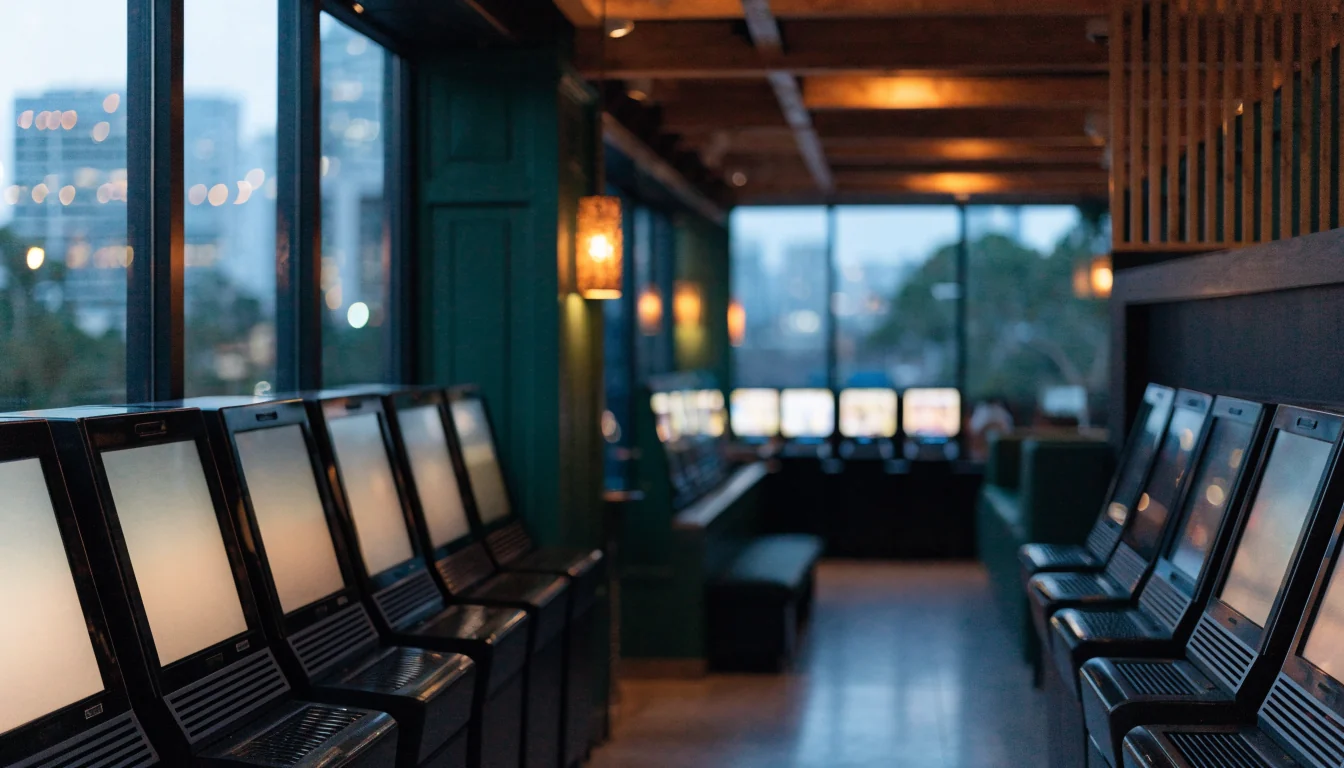
There is a further safeguard to ask about at larger venues. A report published by regionriverina.com.au describes a requirement for venues with more than 20 gaming machines to have a dedicated responsible gambling officer (RGO) present while the machines are operating, beginning from 1 July. The report also describes a one-month grace period for venues to remove signage and introduce RGOs. Because this is a reported requirement, check with the Canberra venue or the relevant local authority how it applies to that venue. Don’t assume that a general description settles the local position.
The same report says venues will be required to keep a gambling incident register. It describes the register as recording occurrences, including behaviour that may indicate a patron is at risk of, or experiencing, gambling harm. You can ask whether the venue has a process for staff to respond to those concerns. The register itself is not a public scorecard, so its existence would not let you compare venues by counting incidents.
For a fair comparison, keep separate what a venue publishes, what staff can explain and what you still cannot verify. That is more useful than a “best” badge with no basis. If the details are thin, say so to yourself and choose on the information you can actually check. No guesswork needed.
Why “24-Hour Pokies” Needs a Venue-by-Venue Check
A late finish or an early start can make all-night access sound like the deciding detail. But “24-hour pokies” is not a useful assumption to carry from one Canberra venue to another. Opening hours can be venue-specific, and the hours for a bar, restaurant or club do not necessarily tell you when its pokies are available.
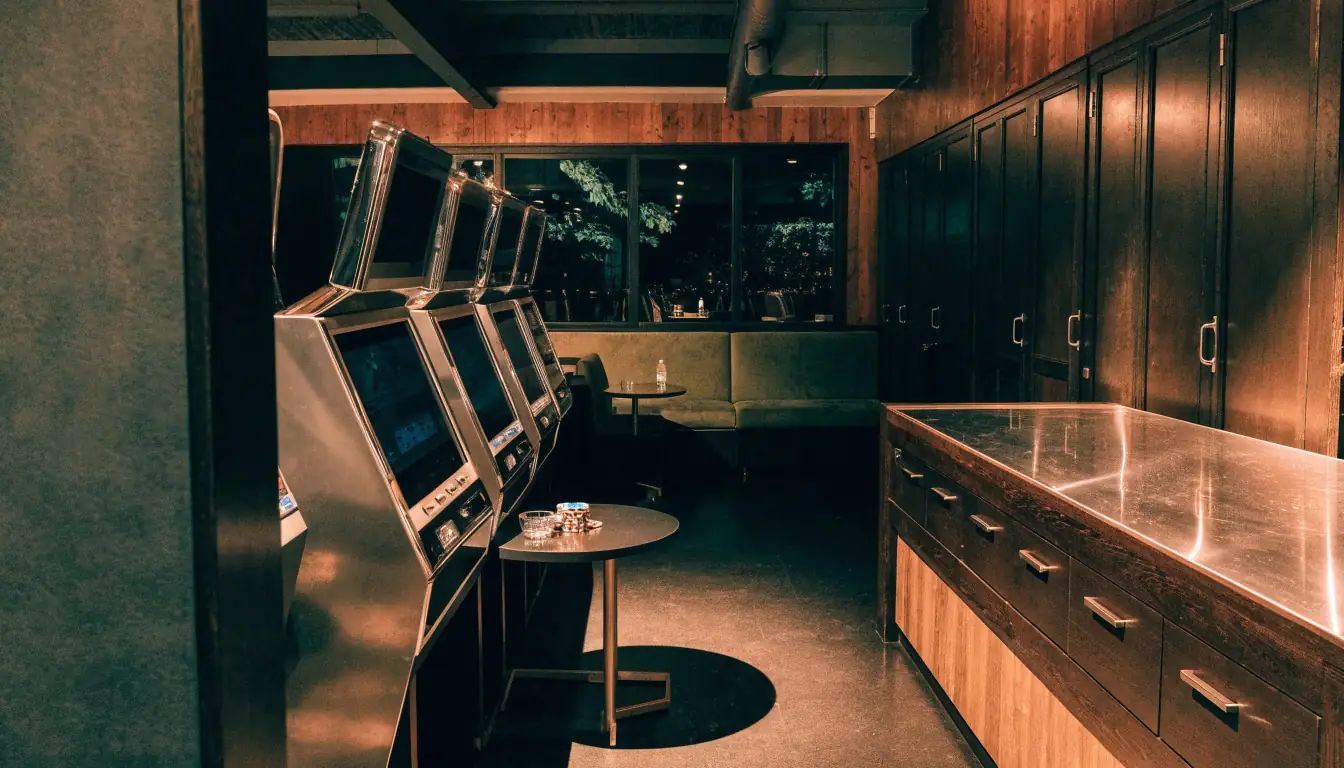
I’d treat “open” and “pokies operating” as separate details. A venue may have people on site while a particular service is unavailable, or its public hours may differ from the hours that matter for gaming. The detail to establish is when patrons can actually use the machines, not simply whether the doors are open.
That distinction matters when you’re planning around a shift, a long drive or a night out. A listing that says a venue is open late can still leave the practical question unanswered. Before setting out, check the venue’s own current information and ask specifically about gaming-machine hours. If the information is unclear, a direct call is more useful than relying on a broad label.
The same care applies to “open now” claims. A listing can be out of date, and hours may change for a particular day or occasion. Treat a general opening schedule as a starting point, not a promise that pokies are available at the moment you arrive. Confirm the relevant hours with the venue before making a special trip.
There’s also a difference between a venue operating through the night and its pokies being available around the clock. Don’t infer one from the other. If the answer you get refers only to the venue’s overall opening hours, ask whether that includes access to the gaming area.
For Canberra, the sensible approach is venue by venue: identify the place you intend to visit, check its current opening information, then confirm the hours for its pokies. Keep the answer tied to the specific venue and day rather than assuming that a late-closing place, or one with similar services, follows the same schedule.
I wouldn’t plan a night around a headline alone. Make sure the stated hours cover the part of the venue you intend to use, and check again if your plans depend on a late arrival. It’s a small step, but it can save you turning up to find the timing doesn’t suit.

Searching for Crown in Canberra: What This Guide Can Verify
A Crown-branded pokies venue in Canberra should not be treated as established just because the name is paired with the city. A name in a listing, post or conversation is not, by itself, proof that there is a local Crown room to visit. I’d keep that distinction clear before making plans.
The same goes for claims about what a Crown venue in Canberra offers. A reference to pokies does not establish that machines are available, which games are on the floor, or whether there is a dedicated pokies room. Those details need to be tied to a specific venue, not inferred from the brand name.
If you come across a listing, check that it identifies a Canberra address and names the operator of that particular venue. Then look for information published by the venue itself, or contact it directly to ask whether it operates pokies there. A copied directory entry or an old discussion can keep circulating after circumstances change. A little checking beats a wasted trip.
The phrase “best pokies room” also needs a real place behind it. Without a confirmed Canberra venue and reliable details about its facilities, there is no sound basis for naming a Crown room as the best, or comparing it with other local rooms. That is not a ranking; it is an assumption dressed up as one.
Be just as careful with questions about a maximum cash payout. The Crown name alone tells you nothing about a particular machine’s payout arrangements or the terms that apply at a specific venue. Don’t treat a figure repeated online as a venue policy unless it comes from a current, relevant source and clearly applies to that machine and location. If the answer matters to your decision, ask the venue for its terms before you play.
I’d use Crown as a lead to investigate, not as a Canberra destination already established. First pin down the actual venue; then check the services and conditions attached to that place. Until those two things line up, claims about its pokies room or payout limits are easy to mistake for local facts. A name is not an address.
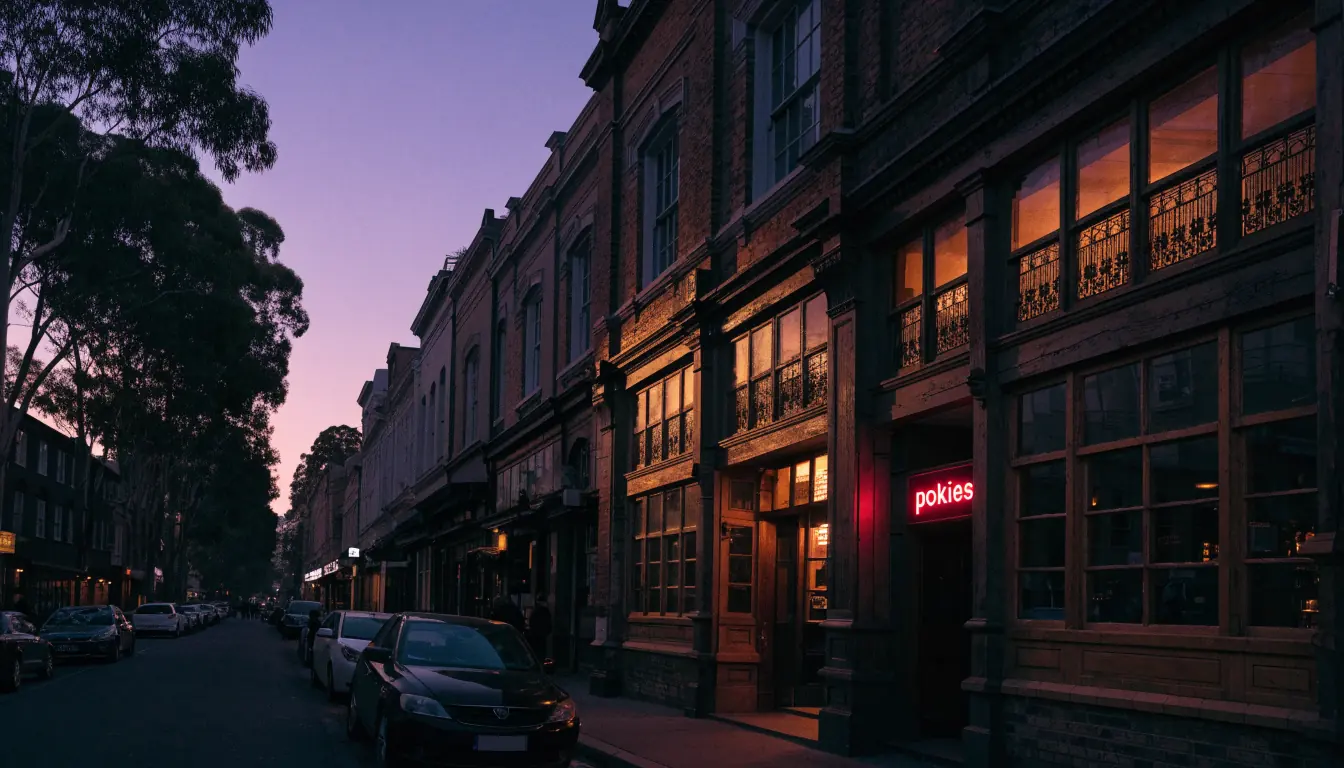
Club Machines and Responsible-Gambling Requirements
When you are comparing Canberra clubs with pokies, it is worth looking beyond the room itself and asking what support is in place if gambling stops feeling manageable. The requirements described for larger venues are tied to the number of machines they operate, not to whether a club is in the CBD or elsewhere.
A report by regionriverina.com.au says that, from 1 July, a venue operating more than 20 gaming machines must have a dedicated Responsible gambling officer (RGO) on duty while those machines are running. That gives you a practical point to check with a club: does its machine count put it within that requirement, and is an RGO present during operating hours? The report also describes a one-month grace period for venues to remove signage and introduce the officers, so the change may not be reflected in every venue’s arrangements at the same time.
The same report says venues will need to maintain a gambling incident register. It is intended to record incidents, including situations where a patron’s behaviour suggests they may be at risk of, or experiencing, gambling harm. That is an operational record, not a public scorecard or a guarantee that harm will be prevented. Still, it signals that staff response and record-keeping are part of the safeguards being described.
If self-exclusion is relevant to you, ask the club directly what options it provides and how to access them. Self-exclusion is a responsible-gambling tool, but the details of a particular venue’s process should not be guessed from a listing or a general description. You can also ask who to speak to if you want help setting limits or raising a concern. Keep the question simple; you do not need to explain more than you want to.
For a club visit, I would treat these as useful checks rather than a ranking method. A large machine area does not tell you whether support is easy to find, and a stated safeguard does not tell you how it will feel to use it. Look for clear information on site and confirm the practical details with staff. It is the sort of thing better settled before you need it.
Searching Around Parkes Without Assuming What’s There
If you are looking for pokies around Parkes in Canberra, treat the place name as a starting point, not proof that a venue is there. A result may use “Parkes” to describe an area, a nearby landmark or a broader Canberra search. That does not establish that the result is a pokie venue, or that it has machines.
I would check the actual venue name and address before relying on a map pin or a short search snippet. Make sure the address belongs to the business being described, rather than a directory entry that groups several places together. If the listing does not clearly identify a venue, its location and its services, don’t fill in the gaps yourself.
This matters especially when “Parkes” appears alongside Canberra-wide wording. A result about pokies in Canberra may be relevant to a general search without being in Parkes. Likewise, a venue listed near a place name is not necessarily inside that area. The wording can be loose; your trip is not.
Keep the questions separate: where is the venue, and does it actually offer pokies? A map result may help with the first, but it does not answer the second. Look for information that connects the named business with the specific service, rather than assuming that a broad category or nearby label confirms it.

I’d also avoid treating a “best pokies” result as a location guide. A ranking headline may be broad, while the details underneath refer to a different part of Canberra—or may not identify a Parkes venue at all. Read the listing itself, not just the label.
If you cannot pin down both the business and its address, pause before setting out. That is a better use of a minute than arriving somewhere on the strength of a vague map label. Parkes in the wording is not a venue address.
Cashless Payments: What PayID Does and Doesn’t Mean
PayID is not a payment card or a separate account. It links an email address, mobile number or Australian Business Number to a bank account, letting someone send a transfer through the New Payments Platform (NPP). The NPP is available through all major Australian banks, and its transfers use end-to-end encryption.
That describes the payment infrastructure, not what a venue accepts. If you are checking cashless options at a Canberra venue, ask the venue directly which payment methods it takes and whether any conditions apply. PayID support alone tells you nothing about a pokie’s return setting, how it operates, or whether a gambling service is licensed. Don’t read more into a payment button than it says.
There is another practical wrinkle: banks may block transfers linked to gambling merchants. A failed payment can reflect a bank’s restrictions, not a problem with the PayID alias itself. Check with your bank rather than repeatedly trying the same transfer.
The same distinction matters when people talk about Canberra and Newcastle together. A payment method does not connect venues in the two cities or establish that they share services. Treat each venue’s payment information as its own detail, and confirm it before relying on it.
For a land-based visit, ask about the venue’s actual cashless arrangements; PayID is a way to direct a bank transfer, not a general label for every cashless pokie system. Plain enough.
Created by the ”Slotlounge Casino” editorial team.