
Understand the payment route before you deposit
PayID is an identifier linked to a bank account, not a casino account or separate wallet, and that distinction shapes deposits and withdrawals.

Table of Contents
How PayID Fits Into Online Pokies Payments
PayID is an Australian digital payment system built around a simple idea: instead of relying on bank account details alone, a person can use a registered identifier, such as a mobile number or email address, to receive or send a bank transfer. The identifier is linked to an account through the person’s bank. PayID is not a casino account, a digital wallet or a separate bank; it is a way to direct a payment through participating banks.
The system runs on the New Payments Platform (NPP), the infrastructure that allows participating banks to transfer money quickly between accounts. That is why PayID can feel different from a payment method that requires you to enter a long set of account details and wait for a conventional bank transfer to clear. The underlying movement is still between bank accounts. PayID gives that transfer a recognisable identifier to use.
That distinction matters when you see PayID mentioned in connection with an online payment page. The payment method and the business accepting it are separate things. PayID’s presence tells you that a bank-transfer option is being offered; it does not establish who operates the service, whether the service is lawful, or whether its other claims are dependable. A payment rail is not a character reference.
The payment path, in broad terms
In a conventional bank transfer, account and routing details identify where the funds should go. With PayID, a registered mobile number or email address can serve as the identifier instead. The bank uses the PayID arrangement to direct the transfer to the linked account through the NPP. The user still relies on their bank for the banking service; PayID does not hold the money in its own account.
In an online cashier, a payment option may be labelled PayID. In general terms, that label means the business is presenting a route for a bank transfer using PayID. It does not mean PayID has become the merchant, checked the merchant’s conduct or taken responsibility for what happens after funds arrive. The bank-transfer network and the website are different parts of the chain.

That separation can be easy to miss because payment logos often sit beside a site’s other claims. It is better to read them narrowly. A PayID logo is information about a payment route, not proof of a licence, fair play, transparent game information or a willingness to pay out. Those matters cannot be inferred from the method used to move money.
What “instant” describes
PayID is designed for quick transfers between banks, and transactions can be completed rapidly. But “instant” describes the bank-transfer capability, not every step a website may place around a payment. A site can have its own payment process, and the bank has its own systems and checks. So a fast transfer mechanism should not be treated as a promise about how a particular service handles a transaction.
There is another important point: a bank transfer is not the same as a card purchase that can simply be cancelled at the till. Once a PayID payment has been confirmed, it is irreversible. That is why the payment destination and the reason for sending money matter before you authorise a transfer. If details look inconsistent, stopping to verify them is more useful than assuming the payment method will sort things out later.
PayID’s familiarity in Australia can make the label seem reassuring. Many people already recognise the idea of using a phone number or email address for a bank transfer. Familiarity, though, belongs to the payment system; it does not carry over automatically to every service that accepts it. A familiar route can still lead to an unfamiliar recipient.
The Australian legal setting
The distinction is especially important for real-money online casino-style services. Under the Interactive Gambling Act 2001, operators may not provide online casino games—including pokies, poker and table games—to people located in Australia. The prohibition concerns the service being provided, not merely the payment method used. A PayID option does not change that legal position.
The Australian Communications and Media Authority is the regulator responsible for enforcing the rules on prohibited interactive gambling services. For a reader, the practical takeaway is straightforward: seeing an Australian payment method on a website does not show that the website is authorised to offer real-money casino gambling in Australia. Nor does it turn an offshore service into a locally regulated one. Payment access and legal status are separate questions.
If you encounter PayID alongside a real-money casino offer, do not read the payment option as an endorsement or a safety check. It is simply a way to route a transfer between bank accounts. The legal nature of the service remains what it is, whatever payment logo appears on the page.
For ordinary banking purposes, the core idea is uncomplicated: a registered identifier stands in for account details, and the NPP helps participating banks move the transfer quickly. In an online payment flow, PayID can be the bank-transfer method presented at checkout. The website, the bank and the payment infrastructure each play different roles, and none should be confused with the others. That is the useful starting point before considering any specific payment page.
PayID Deposits: Matching Details, Limits and Bank Blocks
A PayID deposit can look straightforward: a payment screen supplies the transfer instructions, you open your bank’s payment service, and the money is sent using the details shown. For an online casino, that process is not a green light to proceed. Australian law prohibits operators from providing real-money online casino games, including pokies, to people physically in Australia. PayID working as a payment method does not change that position.

If you encounter a site presenting PayID as a deposit option, be careful about what its cashier actually says and what details it asks you to use. Don’t assume a payment method mentioned on a landing page is available to you, or that a successful transfer says anything about the operator’s standing. Before creating an account, check the cashier page itself for PayID and read the payment conditions there. If the information is vague, inconsistent or missing, that is a reason to stop rather than guess.
The details need to line up
PayID uses an identifier registered with a bank, such as a mobile number or email address. For a transfer, the PayID information you use must match the identifier registered with your bank. A mismatch can leave the payment pending, misdirect a transfer or make it harder to trace what happened.
The account-name check matters too. Your bank account name should match the name on the casino profile. If those details differ, a payment may be rejected or later account checks may become more complicated. A nickname, a relative’s account or another person’s PayID is not a safe workaround. The account holder and the person named on the receiving profile should not be treated as interchangeable.
I’d check the spelling and account details before doing anything else. If a cashier asks you to send money to an identifier that differs from the one displayed in the payment instructions, don’t improvise or rely on an email or message to fix it. Confirm the details through the site’s own support channel, and don’t send funds while the instructions remain unclear.
Do
- Match your bank account name with your casino profile
- Verify PayID details through official support channels
- Check the cashier page for current payment conditions
Don't
- Use a nickname or a relative's account for transfers
- Send funds if instructions are vague or inconsistent
- Rely on landing page banners for availability
Check the payment page first
A method can be described as available in general and still not appear in a particular cashier. Payment options can differ by operator, account or circumstances, so check the cashier page before signing up rather than relying on a banner or an old mention elsewhere. Look for the exact method, the receiving details and any stated deposit conditions.
PayID deposits at online casinos are described as completing within seconds, but that is not a promise that every attempted payment will land immediately. A bank may decline a transfer, details may not match, or the receiving service may need to check it. A displayed success message should not be confused with proof that the account has been credited correctly. Keep the bank confirmation and any transaction reference, but do not send a second payment just because the first one is not showing yet; first establish what happened to it.
The minimum is another detail to read before making a decision. A specialist payment review reports that many operators set deposit starting points between AU$10 and AU$20. That is a reported range, not a rule applying to every cashier. Check the amount shown for the specific payment route, and do not assume a minimum mentioned for another method applies to PayID.

Bank limits and declined transfers
Your bank controls the daily PayID transfer limit on your account. A specialist payment review identifies the bank-set limit as the relevant ceiling, but the amount and any controls are specific to the bank and account. Check your own banking app or ask your bank what applies. Don’t try to get around a blocked or declined payment by splitting it across other people’s accounts.
There are also reports in specialist payment reviews that some Australian banks, including banks among the Big Four, may block PayID transfers to gambling merchants under their acceptable-use policies. This is a reported possibility, not a claim that every bank blocks every such payment. Banks can change their controls, and the result may depend on the merchant or transaction. If your bank declines a transfer, contact the bank for an explanation; repeatedly retrying or changing the payment route can create more confusion.
A decline is not a cue to switch to someone else’s details. It may reflect the bank’s controls, a mismatch or another payment issue. Keep the transaction record and use the bank’s official support channel to clarify it. If a site pressures you to bypass a bank restriction, treat that as a serious warning.
The practical check is simple: don’t send funds until the payment instructions, your registered PayID and the account names all agree. And in Australia, that check does not make real-money online casino play lawful for operators to provide.
What “New PayID Pokies Australia” Means in 2026
Top operators
Top operators
When choosing new PayID pokies in Australia for 2026, check the available details before deciding whether a site suits you. This list gives you a concise reference to each operator based on the information provided.
-
LevelUp Casino
- License
- Curacao eGaming OGL/2023/174/0082 (Dama N.V.)
- Min. deposit
- A$15
You can note its Curacao eGaming licence, held by Dama N.V., and a minimum deposit of A$15.
-
Ricky Casino
- Payout speed
- crypto under 1 hour, PayID 1-3 business days
- Min. deposit
- A$20 (A$30 to qualify for the bonus)
You can deposit from A$20, though the minimum to qualify for the bonus is A$30. Payouts are listed as under an hour for crypto and 1–3 business days for PayID.
-
Golden Pokies
- License
- Curacao
You can note that Golden Pokies is listed with a Curacao licence; no other operator details were provided.
-
SkyCrown
- License
- Tobique Gaming Commission
- Payout speed
- crypto ~10-15 minutes, fiat 1-5 days
- Min. deposit
- A$30
You can note its Tobique Gaming Commission licence and A$30 minimum deposit. Listed payout times are around 10–15 minutes for crypto and 1–5 days for fiat.
-
GoldenCrown
- License
- Curacao Gaming Control Board OGL/2023/176/0095 (Hollycorn N.V.)
You can note its Curacao Gaming Control Board licence, OGL/2023/176/0095, held by Hollycorn N.V.
-
SpinsUp
- License
- Curacao Gaming Control Board OGL/2023/174/0082 (Dama N.V.)
You can note its Curacao Gaming Control Board licence, OGL/2023/174/0082, held by Dama N.V.
-
Thor Casino
- License
- Curacao – Antillephone N.V. (Versus Odds B.V.)
- Min. deposit
- EUR 20
You can note its Curacao licence with Antillephone N.V. (Versus Odds B.V.); the stated minimum deposit is EUR 20.
-
Rollero Casino
- License
- Curacao Gaming Control Board OGL/2023/176/0095 (Hollycorn N.V.)
You can note its Curacao Gaming Control Board licence, OGL/2023/176/0095, held by Hollycorn N.V.
-
DragonSlots Casino
- License
- Curacao Gaming Authority (Jumpman Gaming Ltd)
You can note that DragonSlots Casino is listed with a Curacao Gaming Authority licence held by Jumpman Gaming Ltd.
-
Kingmaker
- Payout speed
- crypto ~90 minutes, fiat 1-5 days
- Min. deposit
- A$30
You can deposit from A$30. Listed payout times are around 90 minutes for crypto and 1–5 days for fiat.
“New” can describe a payment option that has recently appeared in a cashier or been newly noticed by a player. It does not tell you that the business behind it is new, lawful, suitable for Australians or likely to handle a payment fairly. Those are separate questions, and a payment logo cannot answer them.
That distinction matters in Australia because the legal position is not simply a matter of checking whether a casino has a licence somewhere. Under the Interactive Gambling Act 2001, providing real-money online casino games—including pokies—to people physically located in Australia is illegal for operators. A foreign licence does not make that service lawful to provide here. The rule concerns the service offered to customers in Australia, not the age of the website or the payment method it accepts.
So, when you see a newly advertised PayID option attached to real-money pokies, read “new” narrowly: it may refer to a change in the payment arrangements or to a listing that has only recently come to your attention. It is not a legal status, a seal of approval or evidence that an operator has been assessed by an Australian regulator. PayID access alone proves nothing about licensing, game fairness, or whether winnings will be paid.
A payment method is not a licence
It is easy to treat familiar names and local payment options as signs that a service is operating under Australian rules. That is a mistake. PayID is a payment method; its presence does not turn a prohibited service into a permitted one. Nor does it establish that a casino has transparent terms or will resolve a dispute in your favour.
If a website claims that it is “licensed,” look closely at what that claim actually means. A licence issued overseas is not an Australian authorisation to provide online casino games to people in Australia. The Australian Communications and Media Authority is the regulator responsible for enforcing the rules on prohibited online gambling services. Its public information is a more useful starting point for understanding the Australian position than a badge or assurance displayed by a gambling site.
I would not treat an operator’s own claims as independent verification. A page can describe its payment options in detail while leaving the legal issue untouched. Even a smooth-looking cashier and a familiar payment brand tell you only about what the site says it accepts; neither tells you whether offering the gambling service to Australians is lawful.

Why the word “new” can mislead
The word often carries a quiet promise: a fresh option, an improved service, perhaps something safer than what came before. None of that follows from a payment method being newly listed. It may only mean that the operator has changed its cashier page, or that the information shown to you has changed. It does not establish that the company itself has recently opened, that its terms are better, or that a payment will be handled reliably.
The same caution applies to phrases such as “new PayID pokies Australia.” They can make the subject sound like a category of newly approved local services. It is not. The phrase may point to an advertised payment route, but it does not create a lawful Australian market for real-money online pokies. Keep the parts separate: a payment option is one thing; the legality of the gambling service is another.
This distinction is especially important when pages use Australian wording or refer to local payment methods to build familiarity. Local language and a locally recognisable payment route are not proof of local oversight. The practical test is not whether the site looks Australian, but whether the service it offers is lawful for people physically located here. For real-money online casino games, the law is clear about the operator’s conduct.
Treat a confirmed payment as final
There is also a basic payment risk worth keeping in view: once a PayID transaction is confirmed, it cannot be reversed. That makes it important not to treat a transfer as a harmless way to test an unfamiliar site. If money has been sent, the fact that PayID was used does not provide a way to undo the payment simply because you later regret the decision or disagree with the operator.
That point does not mean every transaction will go wrong; it means confirmation has consequences. A payment option should never be mistaken for a consumer safeguard or a route to recover funds. If a site presents PayID as proof that its service is safe, fair or officially recognised in Australia, that claim goes beyond what the payment method can show.
For an Australian reader, the sensible interpretation of “new” is therefore modest: recently presented, perhaps, but not automatically legitimate, safer or suitable. The legal frame comes first, and the payment label comes a distant second.
Why Players Look for PayID Pokies
PayID appeals to people who want a bank-linked way to move money online without typing out account details for every transfer. In Australia, it uses a unique identifier—such as a mobile number or email address—to direct payments through participating banks. That familiarity is a large part of its appeal: you use an identifier connected to your bank account rather than learning a separate payment process.

Speed is another draw. PayID transfers move through Australia’s New Payments Platform, and deposits made through PayID at online casinos are typically completed within seconds. That can make the payment step feel almost immediate. It does not make any other part of a service instant, though, and a quick transfer is not evidence that a venue is lawful, fair or reliable.
The method also avoids a transfer fee charged by PayID itself. That distinction matters. A payment provider’s fee and a business’s own charges are not the same thing, and an operator could set its own terms. So “PayID has no transfer fee” should not be read as “every transaction with every venue is free.” The payment method cannot settle that question on its own.
A familiar identifier, not a separate account
People often prefer a payment method they already recognise. With PayID, the identifier is registered with a bank and can be used to receive or send transfers. For someone accustomed to paying bills or moving money between accounts this way, the basic idea is straightforward: select PayID, use the relevant identifier and confirm the transfer through the bank’s process.
That convenience is practical rather than magical. PayID is a payment rail, not a judgement about the business on the other end. Its presence says nothing by itself about the operator’s legal status, the games offered, how winnings are handled or whether a service is suitable for you. A familiar bank-linked payment can make a transaction feel ordinary; the legal and financial risks do not become ordinary with it.
There is a specifically Australian reason people notice the option. PayID is built for transfers between Australian banks through the New Payments Platform, so it feels more local than a payment route that asks you to use an unfamiliar wallet or arrange an international transfer. That can reduce friction at the payment stage. It cannot change where a service is based or which laws apply to it.
Quick does not mean risk-free
A transfer that completes within seconds is useful when you value speed, but speed can also leave less time to reconsider. Once a PayID payment is confirmed, it cannot be reversed. Treat the confirmation screen as a final check, not a formality. If you are uncertain about the recipient or the purpose of the payment, pause rather than relying on the fact that the method is familiar.
This matters especially around real-money casino services. Under Australia’s Interactive Gambling Act 2001, it is illegal for operators to provide real-money online casino games—including pokies—to people physically located in Australia. PayID’s availability does not alter that rule. Nor does a successful transfer make the service lawful or guarantee that money will be returned.
So when someone looks for new PayID pokies, the practical attraction may be easy to understand: a known identifier, a bank transfer that can arrive quickly and no PayID transfer fee. Those are features of the payment method, not reasons to use an online casino. I keep that distinction clear. Convenient payment, separate question.
PayID can be useful for legitimate transfers, but the context matters. A bank-linked identifier helps route money; it does not provide consumer protection for every business accepting it. Do not treat a payment logo, a fast deposit or a polished cashier page as proof of licensing, fairness or willingness to pay. None of those conclusions follows from the payment option.
The sensible takeaway is narrow: PayID is popular because it can make a bank transfer feel familiar and fast. That is all the payment feature establishes. In Australia, people physically located here should not use it to fund real-money online casino play; the law applies to the operator’s provision of the service, and PayID does not create an exception. Familiar does not mean permitted.
What to Check Before Choosing a PayID Option
A PayID option is a payment feature, not evidence that a gambling service is lawful or suitable. In Australia, the Interactive Gambling Act 2001 prohibits operators from providing real-money online casino games, including pokies, to people in the country. So treat payment details as information to understand, not a reason to sign up or deposit.
If you are reviewing payment terms, start with the cashier page. That is where an operator should set out whether PayID is available and explain the conditions attached to it. Read the terms shown there rather than relying on a logo, an old review or a promise on a promotional page. Payment options and rules can change.
Check the minimums and deductions
A specialist review describes PayID deposit minimums in the AUD 10–20 range, but that is not a rule that applies everywhere. The figure that matters is the minimum shown in the cashier and payment terms at the time you check. Look for separate limits for deposits and withdrawals, and note whether they differ by payment method.
- Verify the specific PayID minimum deposit in the cashier
- Check for withdrawal deductions on amounts below thresholds
- Review wagering requirements and maximum bet limits for bonuses
- Confirm the bonus expiry date and eligible games
- Ensure the bank account name matches the casino profile name
Then check the amount you would receive after any withdrawal deduction. A specialist review reports that some operators take A$5–A$10 from withdrawals below internal thresholds such as A$100 or A$200. Those figures are not universal terms. The operator’s own current conditions should say whether a deduction applies, what triggers it and whether it is charged per withdrawal.
This detail can change the practical value of a small cash-out. If a fee or threshold is not stated clearly, do not assume it will be waived. I would look for a plain explanation in the cashier terms before relying on any payment method. A vague promise is not a fee schedule.
Read bonus conditions as a separate agreement
A bonus can make the payment page look simple while adding rules elsewhere. If an offer is attached to a deposit, read the full bonus terms before accepting it. A specialist review describes wagering requirements in the 30x–45x range of the bonus amount, but an individual offer may set different conditions. Check the stated requirement and what balance or amount it applies to.
Also check which games count towards the requirement, when the offer expires, and whether a maximum bet applies while wagering conditions are active. If you exceed the maximum permitted bet, the bonus and associated winnings may be voided. That is the sort of rule easy to miss when you focus only on the headline offer.
Look for restrictions on withdrawing while a bonus is active, too. Some terms can require you to forfeit an offer before cashing out, or can make a withdrawal request affect the bonus balance. Do not infer the effect from a short banner; read the complete conditions and keep a copy of what you accepted.
If the terms are difficult to find or use unclear wording, pause. A payment method does not make bonus conditions clearer, and PayID access says nothing about fairness, licensing or whether an operator will pay winnings.
Make account rules part of the check
Payment and bonus terms may also depend on account information. The name on your bank account should match the name on your casino profile; a mismatch can create problems when funds are being returned. Avoid creating multiple accounts at the same operator: that may breach its rules and lead to an account ban or forfeiture of winnings.
Keep the checks focused: confirm the cashier’s PayID listing, read the minimums and deductions, and understand every condition attached to a bonus before accepting it. None of those checks makes real-money online casino play in Australia lawful. They simply help you understand what the payment terms say—and where they leave room for an unpleasant surprise.
PayID for Real-Money Transactions: Cash-Out Timing and Cautions
A PayID cash-out can sound straightforward: a casino approves a withdrawal, then money is sent to a bank account. The important distinction is that these are separate steps. PayID can move funds quickly once a transfer is made, but it does not control how long an operator takes to check or release a withdrawal.
Withdrawal Process
-
1
Operator Review
The casino checks the account and identity-verification status, which may take 24–72 hours.
-
2
Transfer Approval
Once approved, the operator initiates the transfer via PayID.
-
3
Funds Receipt
The bank transfer is processed, typically arriving within 12–24 hours or up to 4 days total.
There is also a legal point that comes first for anyone in Australia. Under the Interactive Gambling Act 2001, providing real-money online casino games, including pokies, to people physically located in Australia is illegal for operators. A payment method being available does not make the service lawful, and it is not an assurance about a payout. This section is general information about payment mechanics, not a recommendation to use an offshore casino.
The operator’s review comes before the transfer
A withdrawal request may sit in the casino’s system while the operator reviews it. That internal stage is separate from the bank transfer itself. The operator may check the account and its identity-verification status before approving payment; any delay there happens before PayID is asked to carry the money.
Specialist reviews describe casino-side pending periods of 24–72 hours in some cases. Treat that as a reported practice, not a standard that applies everywhere. The same kind of reviews report that, after approval, PayID withdrawals may take 12–24 hours, with the overall request-to-receipt time sometimes described as 2–4 days. Other specialist reviews say an approved PayID transfer can arrive within the same day. These accounts are not a promise or a dependable timetable: processing varies, and the operator’s review and your verification status can affect the wait.
That separation is useful when you are trying to understand a delay. If the request is still marked pending, the operator may not yet have sent the funds. If it is marked approved or sent, the remaining time concerns the payment transfer and the receiving account. Ask the operator which stage the transaction has reached rather than assuming that “PayID” means an instant withdrawal.
Verification can change the timing
Identity checks are part of the operator’s review, not a PayID feature. If an account still needs verification, a cash-out may take longer while the operator checks the relevant details. Keep any account information consistent and respond through the operator’s official channel if it requests documents. Do not send sensitive information through an unverified message or link.
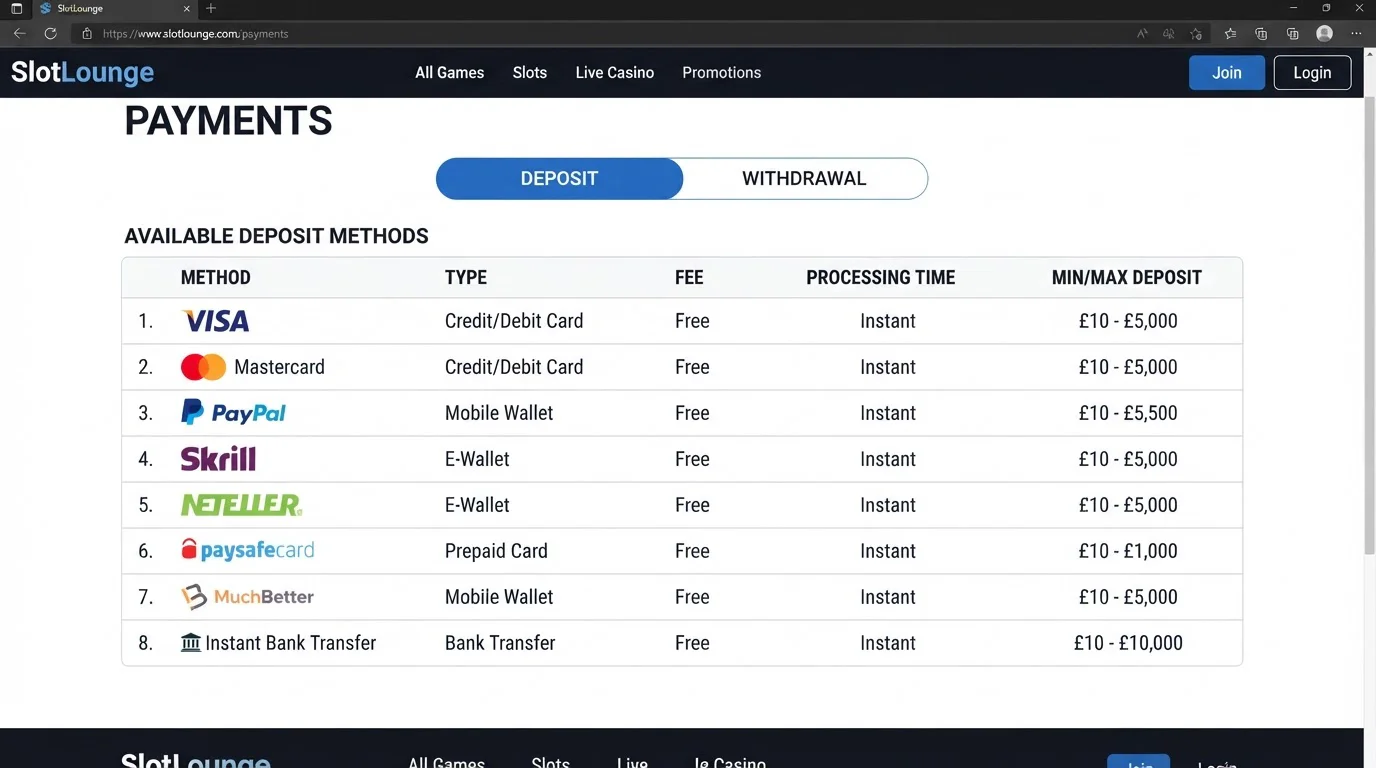
A status label can be imprecise, so keep a record of the withdrawal request and any messages about it. If the operator says payment has been sent but it has not appeared, ask for the transaction status and reference details. Your bank may be able to help trace a transfer, but it cannot resolve an operator-side review that has not finished.
The bank account and PayID destination also matter. PayID uses an identifier linked to an account, and a transfer sent to the wrong destination is not a routine cancellation. Check the displayed recipient details carefully before confirming any payment. Once a PayID transaction is confirmed, it cannot be reversed. That makes a moment spent checking the recipient more useful than a hurried click.
Read the status, not the sales language
Claims such as “instant payout” can blur together approval and delivery. Look for separate explanations of the operator’s review, verification requirements, withdrawal status and transfer timing. If those stages are not explained, you cannot tell what a stated processing time actually covers. A short transfer window after approval does not remove the possibility of a longer wait beforehand.
Also distinguish a pending withdrawal from a failed transfer. A pending request may not have left the operator’s system; a failed or returned payment is a different issue and needs a clear explanation from the operator or bank. Keep correspondence factual: note when you requested the payment, what status is shown and what response you received. Avoid sending repeated requests for the same amount before the first one is resolved, as that can make the account history harder to follow.
No payment rail can establish that a casino is fair, properly authorised or willing to pay. In Australia, real-money online casino services for people in the country are prohibited under the Interactive Gambling Act 2001. PayID access does not change that legal position. The practical takeaway is modest: the operator controls the review stage, the bank transfer comes afterward, and a confirmed PayID payment is final.
How do you deposit money into online casino sites using PayID?
The payment screen provides transfer instructions; you use your bank’s payment service to send the money using the PayID details shown. Check the recipient and payment details before confirming, as a confirmed PayID transfer is irreversible.
Are online pokies legal in Australia?
No. Under the Interactive Gambling Act 2001, operators may not provide real-money online pokies to people located in Australia.
Is it legal to play pokies games with PayID in Australia?
No. Using PayID does not change the legal position: operators may not provide real-money online pokies to people in Australia.
Do online casino sites in Australia use PayID?
Some sites present PayID as a bank-transfer option. Its availability does not mean the site is authorised to offer real-money casino gambling in Australia.
What is the minimum PayID deposit?
Typical minimum deposits are A$10–A$20, though some operators accept deposits from A$5. Your bank sets your daily PayID transfer limit.
Are there any casino sites in Australia that offer withdrawals via PayID?
Some operators offer PayID withdrawals. After approval, transfers usually arrive the same day, but internal reviews can make the overall wait longer.
Prepared by the Slotlounge Casino editorial staff.