
Check the payment process before you deposit
PayID identifies the bank-transfer recipient, while the operator manages account checks and the timing of casino-related payments.

Table of Contents
- PayID for Real-Money Play: What the Payment Actually Does
- What to Check Before You Consider a PayID Casino
- PayID in the Australian Banking System
- How a PayID Deposit Works
- PayID Site Claims: Check the Cashier, Not the Label
- Australian Limits and Minimum Deposit Amounts
- PayID Withdrawals: The Casino’s Queue Comes First
- Free Credits and Bonus Terms: Read the Conditions
- How to Confirm a Site Accepts PayID
- Facebook Pokies and PayID Claims: Check Before You Trust Them
PayID for Real-Money Play: What the Payment Actually Does
PayID is a way to identify the recipient of a bank transfer using a registered detail such as a mobile number or email address. In Australia, it works through the New Payments Platform (NPP), which moves payments between participating banks. The identifier is the address for the transfer; it is not a separate wallet holding your money.
That distinction matters when you see PayID mentioned in connection with online pokies. The payment system can move funds, but it does not provide the game, manage an account or decide whether an operator is lawful. It is only the payment rail. A PayID option on a payment screen is not a seal of approval for the service behind it.
PayID can be used for payments in both directions. A transfer into an account is a deposit; a transfer back to you is a withdrawal. PayID itself moves the money between bank accounts. The casino, if it offers the method, controls its own account records and the steps it takes before initiating a payment. So “instant” describes the transfer capability, not necessarily every stage surrounding a casino transaction.
Top operators
Top operators
When you’re looking for online pokies with PayID in Australia in 2026, payment details and operator information can help you decide what to check before playing. Use these brief verdicts as a starting point for your own checks.
-
LevelUp Casino
- License
- Curacao eGaming OGL/2023/174/0082 (Dama N.V.)
- Min. deposit
- A$15
You can note its Curacao eGaming OGL/2023/174/0082 licence, held by Dama N.V., and its A$15 minimum deposit.
-
Ricky Casino
- Payout speed
- crypto under 1 hour, PayID 1-3 business days
- Min. deposit
- A$20 (A$30 to qualify for the bonus)
You can expect PayID payouts to take 1–3 business days, while crypto payouts are listed as under an hour. The minimum deposit is A$20, or A$30 to qualify for the bonus.
-
Golden Pokies
- License
- Curacao
The available detail for you to consider is its Curacao licence.
-
SkyCrown
- License
- Tobique Gaming Commission
- Payout speed
- crypto ~10-15 minutes, fiat 1-5 days
- Min. deposit
- A$30
You can note its Tobique Gaming Commission licence and A$30 minimum deposit. Listed payout speeds are around 10–15 minutes for crypto and 1–5 days for fiat.
-
GoldenCrown
- License
- Curacao Gaming Control Board OGL/2023/176/0095 (Hollycorn N.V.)
You can note its Curacao Gaming Control Board OGL/2023/176/0095 licence, held by Hollycorn N.V.
-
SpinsUp
- License
- Curacao Gaming Control Board OGL/2023/174/0082 (Dama N.V.)
You can note its Curacao Gaming Control Board OGL/2023/174/0082 licence, held by Dama N.V.
-
Thor Casino
- License
- Curacao – Antillephone N.V. (Versus Odds B.V.)
- Min. deposit
- EUR 20
You can note its Curacao licence from Antillephone N.V. (Versus Odds B.V.) and its EUR 20 minimum deposit.
-
Rollero Casino
- License
- Curacao Gaming Control Board OGL/2023/176/0095 (Hollycorn N.V.)
You can note its Curacao Gaming Control Board OGL/2023/176/0095 licence, held by Hollycorn N.V.
-
DragonSlots Casino
- License
- Curacao Gaming Authority (Jumpman Gaming Ltd)
You can note its Curacao Gaming Authority licence, associated with Jumpman Gaming Ltd.
-
Kingmaker
- Payout speed
- crypto ~90 minutes, fiat 1-5 days
- Min. deposit
- A$30
You can note that crypto payouts are listed at around 90 minutes and fiat payouts at 1–5 days. The minimum deposit is A$30.
Once a PayID payment is confirmed, it cannot be reversed through the payment system. That makes it important to check the recipient details shown before approving a transfer. If the recipient is not who you intended to pay, there is no ordinary PayID reversal button to undo the confirmed transaction. Take a moment before authorising it.
The same basic point applies to money moving out. A PayID transfer may carry funds quickly after it has been initiated, but that does not mean a withdrawal request is instantly approved or sent. The payment system cannot make a casino review an account, release a balance or choose when to submit a transfer. Those are separate actions by the service handling the account.
Here is the part that is easy to muddle: a payment method is not a licence. The presence of PayID does not establish that a gambling service is authorised to provide games to people in Australia, that it is trustworthy, or that it will pay winnings. It also says nothing about the fairness of a game or the treatment of a player’s account. Those are not things a bank-transfer identifier can certify.
For Australia, the legal context is especially important. Under the Interactive Gambling Act 2001, operators are prohibited from providing real-money online casino games, including pokies, to people physically located in Australia. PayID’s availability does not change that rule. A payment can be technically possible without making the underlying gambling service lawful.
If you encounter a page describing PayID pokies or real-money online play, read its payment claims narrowly. It may be saying that the service can accept or send a bank transfer through PayID. It is not thereby proving anything broader. The method’s role is simply to identify where a transfer should go and move the funds through the banking system.

PayID is also not a guarantee that every attempted transfer will proceed. Banks and payment services handle transfers under their own systems and policies. The useful distinction is between the transfer mechanism and whatever happens before or after it: a casino’s account process is not the NPP, and the NPP does not assess the operator.
In short, PayID provides a direct way to route a bank payment using a registered identifier, with transfers moving through the NPP. It can carry funds in either direction, but confirmation is final. Treat the payment label as a description of how money may move—not evidence that the gambling service itself is lawful or reliable. A payment rail is just a rail.
What to Check Before You Consider a PayID Casino
Before you treat a PayID label as a reason to trust a gambling site, separate three questions: is the service lawful for people in Australia, does the cashier actually offer PayID, and do the account details line up? They are different checks. Passing one does not answer the others.
The legal position comes first. Under the Interactive Gambling Act 2001, providing real-money online casino games, including pokies, to people physically located in Australia is illegal for operators. An offshore licence does not make that service lawful to provide here, and a payment option does not change the position. The Australian Communications and Media Authority is the relevant regulator for this area and takes action against prohibited services. So a claim that a site is “licensed” should not be read as proof that it is authorised to offer online casino gambling in Australia.
If a site names a foreign regulator or displays a licence claim, check that claim directly with the regulator named. Look for the operator’s legal entity and licence details in the regulator’s public records, rather than relying on a badge, a copied certificate or the site’s own wording. The name on the record should correspond to the business behind the service. Even if a foreign record checks out, it does not override Australian law. It is a way to test whether the claim is accurate, not a recommendation to use the service.
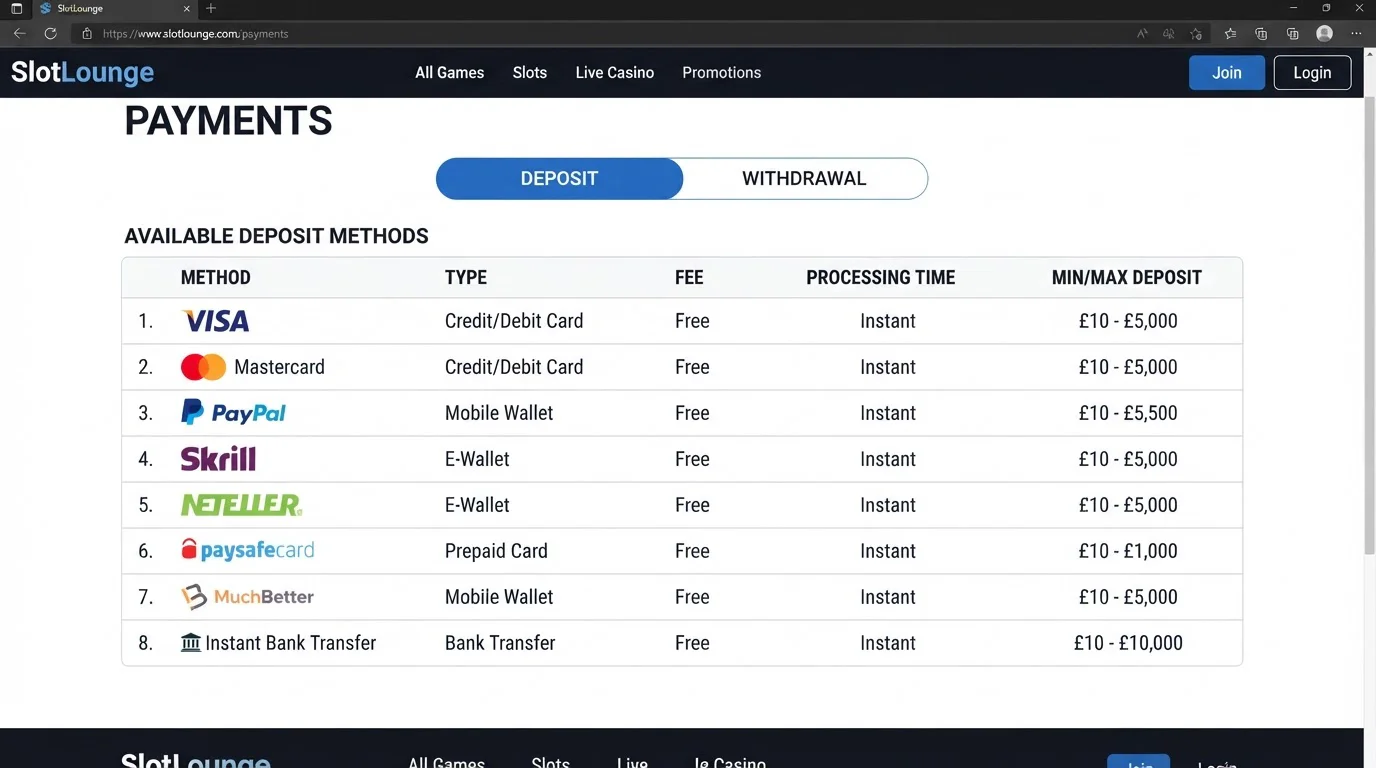
Next, inspect the cashier itself. A page elsewhere on the site may mention PayID, but the deposit options shown in the cashier are the practical confirmation of what that account is being offered. Check before creating an account or sending money. If PayID is absent, unclear, or described differently in the cashier, do not assume a third-party page or an old promotion settles the question. Payment labels can be copied; the cashier is where the option needs to appear.
There is another detail that is easy to miss when setting up an account: the PayID details you use must match the PayID registered with your bank. Check the registered mobile number or email address in your banking app before relying on it. A spelling difference, an old email address or a PayID registered to someone else can cause a mismatch. Don’t try to work around that by using another person’s payment details.
The bank account name and the casino profile name should match too. Check both before making a transaction. If you have entered a shortened name, a different surname or details belonging to another person, pause and correct the profile through the service’s proper account process rather than hoping the discrepancy will be overlooked. Identity checks can form part of withdrawal review; a specialist review of PayID casino procedures also reports that payout handling can depend on the operator’s review and the player’s KYC status. The cashier label cannot settle that issue.
Keep access to one account. Opening multiple accounts at the same operator may lead to account bans or forfeiture of winnings, so don’t create another profile to get around a failed check or a payment problem. If the details are wrong, contact the service through its stated support channel and retain the response. That is less tempting than a quick workaround, and much safer.
Finally, treat claims about fairness, transparent game returns or reliable payouts as separate claims requiring their own evidence. PayID being listed proves none of those things. Nor does a claimed licence, by itself, make real-money online casino games lawful to provide to people in Australia. A tidy cashier is still just a cashier.
PayID in the Australian Banking System
PayID sits within Australia’s banking infrastructure, rather than being a separate casino payment network. It lets a person identify a bank account through a registered detail such as a mobile number or email address, instead of entering the account details for every transfer. The movement between participating banks takes place through the New Payments Platform (NPP), which is designed for quick transfers.
That distinction helps explain what “fast” means in this context. The banking rail can move a transfer promptly, but it cannot control what happens before or after the money reaches a business. A bank may apply its own rules to a payment, and a receiving service may have its own processes. Those are separate parts of the journey, not one single PayID timer.
There is also an important Australian legal context. Under the Interactive Gambling Act 2001, it is illegal for operators to provide real-money online casino games, including pokies, to people physically located in Australia. A payment method being available does not alter that position. PayID is a banking facility; it does not make an online casino service lawful, or establish anything about the service behind a payment request.
I would keep those questions apart. Seeing PayID mentioned somewhere tells you only that a payment route is being claimed. It does not show that the operator is authorised to provide real-money casino games in Australia, nor does it prove that a transfer will be accepted by your bank. The label is not a banking endorsement. It is certainly not a legal workaround.
Bank behaviour can be another point of friction. A specialist review reports that some Australian banks, including banks among the Big Four, have at times blocked PayID transfers to gambling merchants they recognise, relying on acceptable-use policies. Treat that as a reported possibility, not a settled rule that applies to every bank or every payment. Bank policies and their application can change, and a block affecting one recipient does not establish what another bank will do.

If a transfer is declined, it may therefore reflect the sending bank’s controls rather than a fault in the NPP itself. The reverse is also true: a payment passing through the banking system does not certify the recipient or the service. A successful transfer confirms only that the transaction was processed at that point. It says nothing about whether the underlying gambling service is permitted to operate for people in Australia.
This is why “PayID pokies” can be a misleadingly neat phrase. It joins a familiar Australian payment method to a service category that has a different legal status. The bank-transfer technology remains a general-purpose part of the local system; the intended use and the recipient are separate matters. Don’t read an ordinary-looking payment screen as proof that the whole arrangement is ordinary.
A useful way to think about the NPP is as the transport layer between banks. PayID supplies a convenient identifier, and the platform facilitates the transfer. Neither one decides whether a merchant may offer a particular product to Australian residents. Nor does the banking network promise that every transfer will be accepted: bank policies can intervene, and the recipient’s own systems remain outside the platform.
The words “instant” and “secure” also need to stay in their lane. PayID is designed for quick transfers, and transactions use an identifier linked to a bank account. But a fast banking transfer does not mean every step around it is immediate, and the payment method cannot assess the trustworthiness of a business for you. Once you authorise a transfer, the speed that makes it useful also leaves little room to reverse a mistake; confirmed PayID payments are not reversible.
So, when someone describes an Australian PayID payment as quick, ask which part they mean. They may be talking about movement between banks through the NPP, not a bank’s decision to allow a particular payment or the recipient’s handling of it. These are different stages, with different decision-makers. A useful distinction, and an easy one to miss.
For people in Australia, the practical point is not to treat local banking access as evidence that real-money online pokies are legally offered here. The payment rail can operate across banks while the law prohibits operators from providing online casino games to people in the country. Keep the two facts separate. That is the key.
How a PayID Deposit Works
PayID is a way to identify the recipient of a bank transfer using a registered identifier, such as a mobile number or email address. In a payment flow, the payer enters the requested details through their bank and confirms the transfer. PayID operates through Australia’s New Payments Platform, which moves funds between participating banks. When a transfer is accepted, a deposit to an online account may appear within seconds.
That describes the payment mechanism, not whether a particular gambling service can lawfully offer real-money play in Australia. The Interactive Gambling Act 2001 prohibits operators from providing online casino-style games, including pokies, to people physically located in the country. A PayID option does not change that legal position, and the presence of a payment facility is not evidence that an operator is licensed, fair or willing to pay winnings.

For a deposit to be associated with the right account, the PayID details used for the transfer need to match the PayID registered with the player’s bank. If they do not match, the payment may not proceed as expected or may not be credited correctly. It is worth treating the registered details as part of the payment itself, rather than assuming that any email address or mobile number will do.
In a normal bank transfer, the payer reviews the recipient information and confirms the transaction through their bank. The NPP is designed to facilitate quick transfers between banks; it does not assess the gambling service receiving the money. Nor does a rapid bank confirmation necessarily tell you anything about the recipient’s legal status. Money moving quickly is just money moving quickly.
PayID transactions are irreversible once confirmed. Take care before authorising any transfer, and do not rely on a payment screen or a familiar-looking identifier as proof that the recipient is legitimate. If something about the recipient or the purpose of a payment is unclear, do not confirm it.
There is also a distinction between the bank transfer and what happens on the receiving service’s side. The payment network can move funds quickly, but the recipient’s account display is a separate matter. A delay in a balance updating does not, by itself, explain where a payment is or establish that it has been handled properly. Keep the bank’s confirmation and any transaction reference, and contact the bank through its official channels if you need help tracing a transfer.
The practical point is straightforward: PayID identifies a payment recipient and carries a transfer through the banking system. It does not provide consumer protection specific to gambling, validate an operator’s claims, or make an otherwise prohibited service lawful in Australia. Treat those as separate questions.
Do
- Verify recipient details before approving
- Match your bank's registered PayID
- Use official support for account issues
Don't
- Rely on payment labels as legal proof
- Use another person's payment details
- Create multiple accounts to bypass checks
PayID Site Claims: Check the Cashier, Not the Label
A page can say “PayID accepted” without showing whether PayID is currently available for a particular account or transaction. If you are checking a payment claim, look for PayID in the site’s own cashier information rather than relying on a banner, search snippet or third-party page. The cashier is where the payment option should be shown; if it is absent or the instructions are unclear, treat the claim as unconfirmed.
That check answers only a narrow question: whether the site says it supports PayID. It does not establish that the operator is licensed, that games are fair, or that withdrawals will be paid. A payment logo is not a regulator’s approval stamp.
There is an important Australian distinction here. Under the Interactive Gambling Act 2001, it is illegal for operators to provide real-money online casino games, including pokies, to people physically in Australia. PayID availability does not change that legal position. A claim about “licensed PayID pokies in Australia” should not be taken to mean that an operator has permission to provide real-money online casino services to Australian customers.
Keep the fee claim separate, too. PayID itself does not charge a transfer fee. Reputable venues do not add a PayID fee for deposits or withdrawals, but a site’s own payment terms still need to be read carefully. An advertised no-fee payment option says nothing about the operator’s legal status or its handling of funds.
If you are reviewing a page that claims to accept PayID, check that the cashier names the method and gives clear instructions before sharing financial or personal details. Don’t infer availability from a general “payments” badge, a partnership claim, or a label copied onto another page. Those can be out of date or too broad to confirm what the cashier actually offers.

I would keep the conclusion modest: the cashier can confirm a payment listing, not the promises built around it. In Australia, that distinction matters. A payment method is not permission to provide prohibited gambling services, and it cannot turn a claim of fairness or payout reliability into proof.
Australian Limits and Minimum Deposit Amounts
The figures attached to PayID deposits can look simple, but they describe two separate limits: the minimum set by a gambling operator and the daily transfer cap set by your bank. One does not change the other.
A specialist review reports that many operators set a minimum deposit between AU$10 and AU$20. A separate specialist review mentions some sites accepting AU$5. These are reported operator terms, not a standard that applies across every cashier, and they can change. Check the amount shown in the payment screen and the operator’s own terms before making any decision.
The bank limit is a different matter. A specialist review reports that the player’s bank sets the daily PayID transfer limit. Your available amount may therefore depend on your own account settings, even if a payment screen displays a lower minimum. If a transfer is declined, the operator’s minimum and your bank’s transfer cap are separate details to check; do not assume that changing the deposit amount will fix every declined payment.
There is an important Australian context behind any figures advertised for PayID pokies. Under the Interactive Gambling Act 2001, providing real-money online casino games, including pokies, to people in Australia is illegal for operators. A low minimum deposit does not make that service lawful or make it suitable to use. Payment availability is not an endorsement.
Operator Minimums
Typically reported between AU$10 and AU$20, though some sites may accept AU$5.
Bank Daily Caps
Daily transfer limits are set by your own bank and depend on your specific account settings.
Legal Status
Neither low minimums nor payment availability make providing real-money pokies lawful in Australia.
Treat claims about AU$5 deposits or AU$10–AU$20 minimums as details to verify, not reasons to deposit. The amount shown can differ by operator and may be subject to its own terms. Keep the bank’s daily transfer limit separate in your mind: it is a banking setting, not a casino minimum. That distinction matters when you are comparing the numbers on a page with what your bank will allow.
A small entry amount can sound harmless. It is still real money, and a payment to an unlawful service remains a payment to that service. Do not treat “best” PayID pokies claims or a low advertised threshold as evidence of legality, safety or fair play.
PayID Withdrawals: The Casino’s Queue Comes First
A PayID withdrawal is not necessarily sent the moment you press “withdraw”. The casino may first place the request in a pending queue, review it and approve it. Only after release does the bank transfer stage begin. That internal wait is often the part that stretches the timeline.
A specialist review describes casino-initiated PayID withdrawals as potentially subject to a pending period of 24–72 hours before the funds leave the casino’s system. Treat that as a reported timeframe, not a promise about any particular service. Review procedures differ, and a request can take longer if the casino needs to check your identity or account details.
Once approved, the transfer itself is a separate step. Specialist reviews report that PayID withdrawals commonly take 12–24 hours after approval, with the full journey from request to receipt sometimes taking 2–4 days when the pending period is included. Those figures are not a guarantee: the casino’s processing and your KYC status can affect how quickly a payment is released. “Instant PayID” does not mean instant approval.
If a request remains pending, check its status in the account and look for any message asking for identity documents or other information. If the casino has approved it but the money has not arrived, contact the casino’s support team and ask whether the transfer has been sent. Keep the request details and any confirmation; they help you distinguish a casino-side delay from a transfer that has already been released.
There is a legal point worth keeping in view: under Australia’s Interactive Gambling Act 2001, operators cannot provide real-money online casino games to people physically in Australia. A payment option or a stated withdrawal timeframe does not change that, and it does not establish that a service is lawful or trustworthy.
The queue comes first. PayID can move funds quickly once a transfer is actually made, but it cannot speed up a casino’s review or guarantee that a withdrawal will be approved.
Free Credits and Bonus Terms: Read the Conditions
A mention of free credits alongside PayID does not establish that an offer is available, that PayID is an eligible payment method, or that any winnings can be withdrawn. Treat the wording as a claim to check, not a promise. In Australia, the Interactive Gambling Act 2001 prohibits operators from providing real-money online casino games to people in the country, so bonus language does not change the legal position.
Common Bonus Conditions
Bonus offers often carry wagering requirements, typically ranging from 30x to 45x the bonus amount, which must be met before funds can be withdrawn. Additionally, operators may enforce maximum bet limits during the wagering period; exceeding these can void the bonus and any associated winnings.
If you encounter bonus terms, read the full conditions before taking any action. The key figure is the wagering requirement: it states how much qualifying play is required before bonus funds or related winnings can be withdrawn. A specialist review describes requirements of 30x–45x the bonus amount, but terms vary, and that range is not a guarantee about any particular offer. Check what balance the multiple applies to, which games count, and any expiry or withdrawal conditions.
Pay close attention to the maximum bet allowed while wagering. If you exceed that limit, the operator may void the bonus and winnings linked to it. “I didn’t notice” is rarely a useful appeal.
Also check whether the terms say a deposit is required, whether a payment method qualifies, and whether the offer is restricted to particular accounts. A free-credit label alone answers none of those questions. Don’t create extra accounts to try to qualify: multiple accounts can lead to a ban or forfeiture of winnings.
I’d treat any offer advertised as free PayID pokies with the same care: verify the actual terms rather than assuming the payment method unlocks a bonus. PayID is a way to move money; it is not evidence that an offer is genuine, that a service is lawful, or that a payout will be made.
How to Confirm a Site Accepts PayID
If you come across a claim that an online service accepts PayID, check its own cashier page rather than relying on a search result, review, or old payment guide. Payment options can change, and a page elsewhere may be out of date. Look for PayID in the listed deposit methods and read any conditions shown beside it.
Do this before registering or sharing personal or banking details. If the cashier is hidden behind an account, or the payment information is vague, treat the claim as unconfirmed rather than assuming you can use PayID. A logo or mention of PayID on a landing page is not the same as an option presented in the cashier.

Even when PayID appears there, that confirms only that the site claims to offer the payment method. It does not establish that the service is lawful in Australia, safe, fair, or reliable about payments. Under the Interactive Gambling Act 2001, providing online casino-style games to people in Australia is prohibited for operators. A payment option does not change that.
PayID deposits can be completed within seconds, but that describes the transfer, not whether a casino will accept or credit it. Check the payment details carefully before making any decision. If the cashier does not clearly list PayID, do not infer availability from another page.
Facebook Pokies and PayID Claims: Check Before You Trust Them
A Facebook post saying you can get free credits through PayID is a claim, not proof that the offer exists or that the payment option is available. Posts can be out of date, copied from elsewhere or designed to collect personal or banking details. Don’t use a link in a post to make a payment or share sensitive information just because it looks familiar.
If a post mentions a bonus, look for the full terms on the service’s own pages rather than relying on the caption or comments. Check who can claim it, what play-through conditions apply, which games count and whether there is a maximum bet while wagering. A specialist review reports wagering requirements of 30x–45x the bonus amount; the actual terms can differ, so read the specific conditions. Exceeding a stated maximum bet may void the bonus and associated winnings.
Likewise, a PayID logo or mention in a post does not establish that a service accepts PayID. Availability should be confirmed directly in the cashier, and a payment method does not establish that a service is licensed, fair or willing to pay. Those are separate claims.
There is also an important Australian context: under the Interactive Gambling Act 2001, providing real-money online casino games to people in Australia is illegal for operators. A social post cannot change that. Treat promises of pokies, PayID deposits or free credits as a reason to pause, not as an invitation to act.
How do you deposit money into online casino sites using PayID?
Select PayID in the cashier, check that the recipient details are correct, and pay using the mobile number or email address registered with your bank. Confirm the transfer only after checking the details, because a confirmed PayID payment cannot be reversed.
What is the minimum amount you can deposit into casino sites using PayID?
Typical minimum deposits are A$10–A$20, although some operators accept deposits from A$5. Check the cashier for the minimum offered on the account.
Are online pokies legal in Australia?
No. Under the Interactive Gambling Act 2001, operators are prohibited from providing real-money online casino games, including pokies, to people physically located in Australia; PayID availability does not change this.
How do you set up PayID for pokies sites?
Use a mobile number or email address registered as your PayID with your bank, and make sure the details you enter match your bank registration. PayID is a bank-transfer identifier, not a separate wallet.
Can you withdraw casino winnings using PayID?
PayID supports withdrawals as well as deposits. The casino must review and approve the request first; after approval, transfers typically take 12–24 hours, while internal processing can make the total time from request to receipt usually 2–4 days.
How long do PayID deposits take to appear in your casino account?
PayID deposits typically arrive within seconds. The transfer uses the New Payments Platform, although a bank may block a transfer to a known gambling merchant.
Prepared by the Slotlounge Casino editorial staff.