
Check the Details Before Planning a Casino Stay
A practical guide to accommodation, dining, facilities and other details to verify when considering a Tasmanian casino.
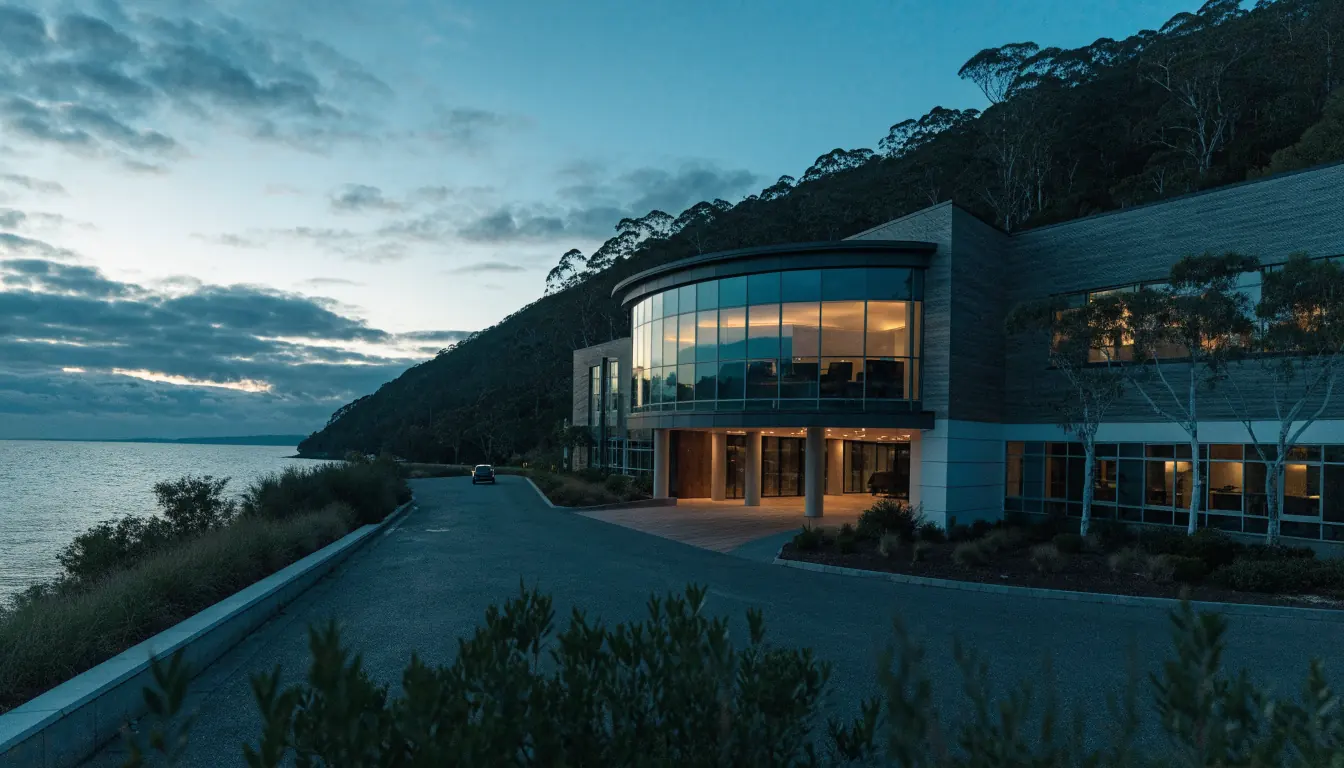
Table of Contents
- Where to Stay Around a Tasmanian Casino
- Poker Rooms, Tournaments and On-Site Facilities
- Online Casino Searches: Know the Australian Limits
- Finding Accommodation Near a Casino
- Contact Details and Getting in Touch
- Buffet, Breakfast and Casino Jobs
- Opening Hours, Events and Entertainment
- Restaurants at a Tasmanian Casino
- Spa Searches and Practical Venue Details
- Food and Pool Facilities
Where to Stay Around a Tasmanian Casino
If you are looking for a casino hotel in Tasmania, first pin down what you mean by “hotel”. A property operated as part of a casino is not the same thing as an independently run hotel that happens to be nearby. Listings and search results can blur that distinction, so check the property’s own description before you plan a stay around it.
I would confirm the basics with the hotel before booking: whether it currently offers guest rooms, which room types are available for your dates, and what is included in the quoted rate. A casino’s name appearing beside a hotel listing does not, by itself, establish that the hotel is on the casino site or operated by the same business. Get that detail clear first.
What to check before you book
Start with the room, not the headline price. Read the room description carefully and check the occupancy, bed arrangement, cancellation conditions, and whether any extra charges apply. Make sure the dates and number of guests on the booking match your plans. If a detail matters to you, such as accessibility or a particular room feature, ask the property to confirm it rather than relying on a photo or a short listing.
Top operators
Top operators
Choosing an online casino from Tasmania can take more than a quick glance at a welcome offer. Use this list as a reference point and check which available details matter most to you.
-
LevelUp Casino
- License
- Curacao eGaming OGL/2023/174/0082 (Dama N.V.)
- Min. deposit
- A$15
LevelUp Casino lists a Curacao eGaming licence, OGL/2023/174/0082, under Dama N.V., and a minimum deposit of A$15.
-
Ricky Casino
- Payout speed
- crypto under 1 hour, PayID 1-3 business days
- Min. deposit
- A$20 (A$30 to qualify for the bonus)
Ricky Casino lists crypto payouts in under an hour and PayID payouts in 1–3 business days. Its minimum deposit is A$20, or A$30 to qualify for the bonus.
-
Golden Pokies
- License
- Curacao
Golden Pokies lists a Curacao licence; no other specific details are available here.
-
SkyCrown
- License
- Tobique Gaming Commission
- Payout speed
- crypto ~10-15 minutes, fiat 1-5 days
- Min. deposit
- A$30
SkyCrown lists a Tobique Gaming Commission licence, crypto payouts of about 10–15 minutes, and fiat payouts of 1–5 days. Its minimum deposit is A$30.
-
GoldenCrown
- License
- Curacao Gaming Control Board OGL/2023/176/0095 (Hollycorn N.V.)
GoldenCrown lists a Curacao Gaming Control Board licence, OGL/2023/176/0095, under Hollycorn N.V.
-
SpinsUp
- License
- Curacao Gaming Control Board OGL/2023/174/0082 (Dama N.V.)
SpinsUp lists a Curacao Gaming Control Board licence, OGL/2023/174/0082, under Dama N.V.
-
Thor Casino
- License
- Curacao – Antillephone N.V. (Versus Odds B.V.)
- Min. deposit
- EUR 20
Thor Casino lists a Curacao licence associated with Antillephone N.V. (Versus Odds B.V.) and a minimum deposit of EUR 20.
-
Rollero Casino
- License
- Curacao Gaming Control Board OGL/2023/176/0095 (Hollycorn N.V.)
Rollero Casino lists a Curacao Gaming Control Board licence, OGL/2023/176/0095, under Hollycorn N.V.
-
DragonSlots Casino
- License
- Curacao Gaming Authority (Jumpman Gaming Ltd)
DragonSlots Casino lists a Curacao Gaming Authority licence associated with Jumpman Gaming Ltd.
-
Kingmaker
- Payout speed
- crypto ~90 minutes, fiat 1-5 days
- Min. deposit
- A$30
Kingmaker lists crypto payouts of about 90 minutes and fiat payouts of 1–5 days. Its minimum deposit is A$30.
Be just as careful with a casino hotel deal. A promotional rate may come with conditions about eligible dates, booking channels, cancellation, or what the package includes. Compare the final price and terms with the standard rate for the same stay. “Deal” is a label, not a guarantee that the booking suits you.
Before paying, check who is actually taking the booking and what happens if your plans change. Keep the confirmation and read the cancellation policy while you still have time to make a decision. If the room is important to the trip, get any unresolved details confirmed in writing.
Keep the hotel and casino plans separate
A hotel room does not tell you what services the casino offers, and casino access does not confirm that a hotel is open or taking bookings. Treat them as separate arrangements until the property clearly states otherwise. If you are booking because you expect to visit the casino, check the venue’s current opening information directly as well; hotel check-in and casino operating hours are not necessarily the same thing.
That distinction matters when you are comparing Tasmanian casino hotels. A listing can be useful as a starting point, but it should not be the final word on whether the room is at the venue, what facilities are included, or whether the property is operating on the dates you want. Confirm the details with the hotel before you commit.
The same care applies to rates shown on third-party booking pages. Check the room description, total cost, and booking conditions on the page where you will actually pay. If the details differ between listings, ask the property to clarify rather than assuming the most appealing description is the correct one. Small print earns its keep.
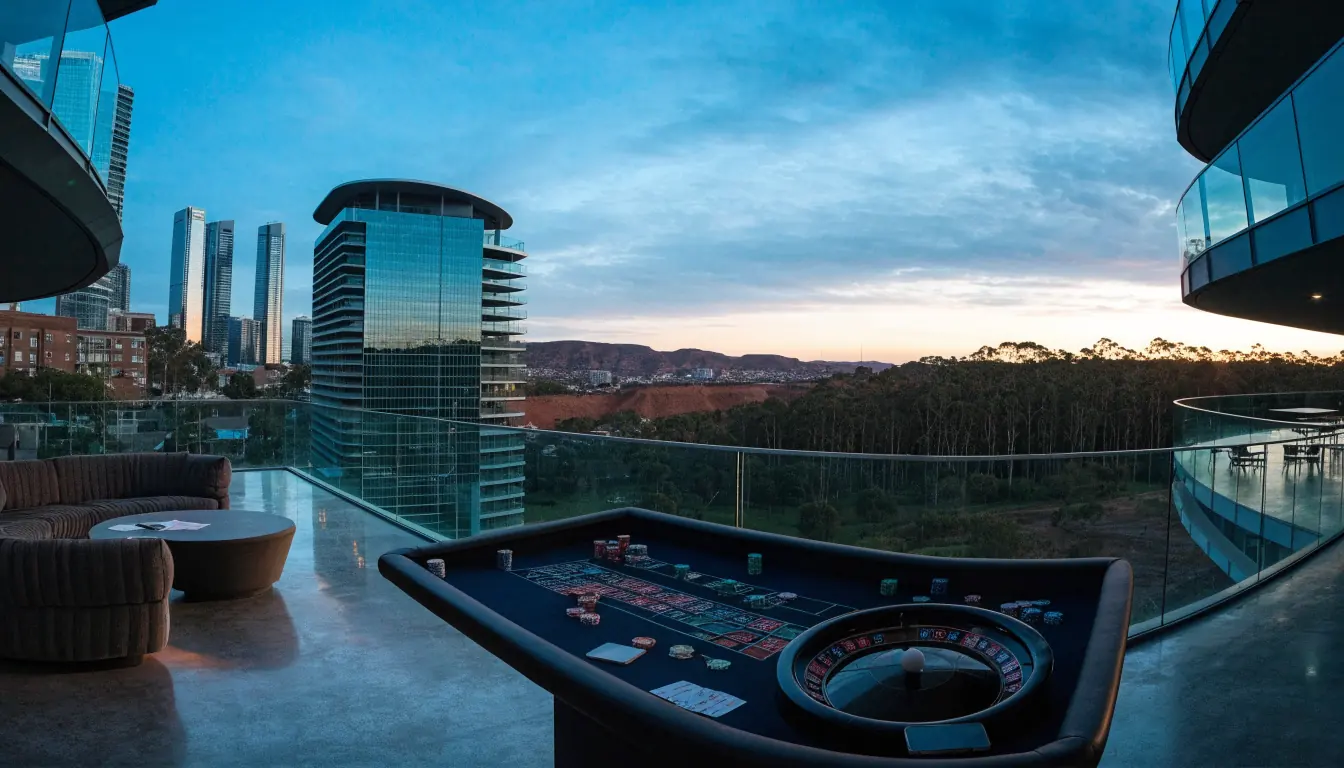
For a stay centred on a casino visit, settle the practical order of things: confirm the room, confirm the booking terms, then check the casino’s current hours separately. I would not build a travel plan around an assumed hotel-room offer or a remembered schedule. Details can change, and a tidy itinerary starts with confirmed details—not a promising headline.
If you are searching for a casino hotel in Tasmania, the useful question is not just whether a room appears online. It is whether the named property is the hotel you intend to book, whether the room and terms fit your stay, and whether your casino plans have been checked independently. Take a moment to verify those points before paying.
Poker Rooms, Tournaments and On-Site Facilities
If you are heading to a Tasmanian casino for live poker, check the specific venue’s current information before setting out. A casino’s general gaming offer does not, by itself, tell you whether it has a dedicated poker room, runs tournaments, or has a game scheduled on the day you plan to visit. Those are separate details, and they can change.
I would look for a clear listing that names the poker format, the venue area and any conditions for joining. If a tournament is mentioned, check whether registration is open and whether the published details apply to the date you have in mind. An old event notice or a third-party directory can linger online after arrangements change. Better to confirm than build an evening around a listing that has gone stale.
Live poker is not the same as pokies
The word “poker” can point to two different things. Live poker involves players competing at a table; pokies are electronic gaming machines, also called Electronic Gaming Machines (EGMs). A search result that mentions poker machines does not establish that a venue offers a poker room or tournaments. Read the description closely, especially if it uses broad labels such as “gaming” without explaining what is available.
If you are new to a live game, check the venue’s own rules and entry information before attending. Confirm how the game works, whether you need to register, and whether there are any conditions for taking part. Do not assume that a poker table is open play simply because a venue has gaming facilities. The details matter.
Rooms, bars and other facilities
“Casino rooms” can mean several things: accommodation, a function room, a poker room or another part of the venue. Use the wording around the listing to work out which one is meant. A room described for private events is not necessarily a place to play poker, and a hotel-room result says nothing about gaming facilities. Keep those searches separate and check the relevant venue information rather than relying on a short search snippet.
The same applies to a sports bar. A bar inside a casino, if listed, is not automatically showing a particular match or offering the facilities you expect. Check the venue’s current description and any programme information for the day. Menus, screens and event arrangements are details to confirm, not things to infer from the label alone.

When checking whether a facility is available, use information that identifies the Tasmanian venue rather than a similarly named property elsewhere. Look for a recent update and make sure the page refers to the right location. If the wording is unclear, contact the venue through its published official channel before travelling; there is little value in guessing from a copied directory entry.
For a visit today, treat “open” and “available” as different questions. A building may be operating while a particular room, game or bar is not. Check current venue information for general access, then confirm the specific facility you want. That simple distinction saves a wasted trip.
Plans can also be affected by entry requirements or changes to a scheduled activity. Read the venue’s conditions before you go, and bring identification if you expect to take part in gambling. Keep the visit within your budget; if you lose, do not raise your stakes to try to win it back. A poker room, tournament listing or sports bar is only useful when the details match the visit you actually have in mind.
Online Casino Searches: Know the Australian Limits
If you are looking for online casino games from Tasmania, start with the law, not a bonus banner. Under the Interactive Gambling Act 2001, operators must not provide real-money online casino games to people in Australia. That includes pokies and table games. An Australian-run online casino cannot lawfully offer those services to Australian players.
Offshore sites sit in a different, less reassuring position. Australian players are not generally criminally liable simply for using one, but offshore operators are not regulated under Australian law, and providing these services to people here is prohibited. Access is also actively blocked and enforced. A foreign licence does not turn an offshore casino into an Australian-regulated service or give you the protections you would expect from a local regulator.
That distinction matters if a site advertises a licence, a welcome offer or a quick payout. The licence may be issued overseas, under rules that do not give you the same route to resolve a complaint in Australia. If an operator refuses a withdrawal or closes your account, your options to challenge it may be limited. If the business becomes insolvent, winnings may not be protected. A polished website is not a safety net.
Why games can disappear or fail to load
Online casinos and software providers can restrict access according to your location. They may use your IP address to estimate where you are, and an Australian connection can mean some games do not appear in the lobby or fail to load. Licensing rules can also require a casino or provider to block games for Australians. A specialist review has reported providers taking this step in anticipation of possible future changes to Australian gambling laws; that is a report, not a guarantee about what any particular game will do today.
A VPN can make your internet connection appear to come from another country, but using one to get around a region block breaches the site’s terms and may lead to account suspension. It does not change the law or create Australian consumer protection. Don’t risk an account balance on a workaround.
Treat offers and spending cautiously
Bonus terms can contain wagering requirements, maximum cashout limits or clauses that let an operator void winnings. Read the full conditions before accepting anything, and do not treat a bonus as cash you can withdraw. Payment methods may also be restricted by location or operator rules; a logo on a page is not proof that a method will work for you.

If gambling is affecting your decisions, pause rather than trying to win back what you have lost. Do not raise your bets to recover losses. Set a session budget you can afford to lose, stick to it, and stop when it is gone. Money needed for rent or groceries should never be treated as a gambling stake. The hope that a session will solve a bill is an illusion.
For anyone searching for a casino in Tasmania, online and physical venues are not interchangeable: the rules for online casino services are especially restrictive. I would check the legal position before sharing personal or payment details, and walk away from any offer that depends on hiding where you are.
Finding Accommodation Near a Casino
If you’re planning a Tasmanian casino visit, treat nearby accommodation as a separate booking decision from staying at the venue itself. “Near” can mean an easy walk, a short drive or simply somewhere that suits the rest of your trip. I’d pin down the casino location first, then compare places by the journey you would actually make—not by a listing’s vague promise of being close.
Check the property’s address against a current map and look at the route for your likely arrival time. A straight-line distance can be misleading if the walk involves a steep climb, a major road or a longer route than expected. If you’ll be driving, check where you can leave the car and whether you would need to move it during your stay. Don’t assume that accommodation includes parking near the casino, or that a nearby car park is available when you need it.
Do
- Check the property's address against a current map
- Verify the route for your likely arrival time
- Confirm parking availability and access
Don't
- Rely on a listing's vague promise of being close
- Assume straight-line distance reflects actual travel
- Assume accommodation includes parking near the casino
Comparing places and deals
Accommodation deals are worth comparing, but read what the price covers before treating it as a bargain. Look for the total cost shown at checkout, cancellation rules, payment timing and any conditions attached to the advertised rate. A low headline price may come with restrictions that matter if your plans change. Save the booking details so you can check the terms you accepted later.
I’d also compare the practical parts of the stay: how late you can arrive, how you’ll get back after an evening out, and whether the location works for other places you intend to visit. A room that looks close on a map may not be the simplest choice once you factor in transport and luggage. If you’re relying on public transport or a taxi, check the available arrangements directly rather than assuming service will suit your schedule.
Be wary of accommodation promotions that imply a casino benefit without clearly explaining who provides it and what conditions apply. Confirm whether a deal is offered by the lodging provider or by the casino, and read its expiry and booking requirements before paying. A casino promotion does not automatically include a room, parking or a particular rate.
Keep venue details separate from your accommodation booking. Opening hours and gaming-machine availability can change, and a lodging listing is not a reliable way to confirm casino trading times or what is operating on the day. Check those details close to your visit through the venue’s own published information. The same goes for the casino’s location: use a current venue listing rather than relying on an old travel post or an address copied between booking sites.

There’s no single best base for every visitor. If you’re staying for more than the casino visit, choose a location that also suits your wider plans; if the casino is the main reason for travelling, make the return journey a priority. Compare the route, the booking conditions and the real total before committing. That beats choosing a place on a “nearby” label alone.
Contact Details and Getting in Touch
Before setting out, make sure you have the right venue and a current way to contact it. I start with the venue’s own website, if available, and look for its contact or visitor-information page. A number copied into an old directory or social post can be out of date; use it only if it matches details published by the venue itself.
If you need an address, check the full street address against the venue’s own directions before entering it into a map. A search result may point to a general area, a nearby business or an entrance that is not the one you need. Read the map label and the written directions together. If they do not agree, contact the venue to confirm which address to use.
For a car-park question, be specific. Ask whether visitor parking is available, where its entrance is, and whether access or charges depend on the time of your visit. Those details can matter more than the broad map pin. If you need accessible parking or have a larger vehicle, say so when you contact the venue rather than assuming the standard directions cover your situation.
- Verify the address via the official website
- Cross-check the contact number on an official page
- Confirm the specific entrance for arrival
- Clarify parking charges and accessibility
When calling, keep the question simple and ask for the relevant department if the first person cannot help. For example, you might confirm the correct entrance, ask whether a bar is open to visitors, or check where to direct a question about baccarat or craps. Treat those as questions to confirm, not as proof that a particular service or table is available. If you are asking about a concert, check the event organiser’s information as well as the venue’s: the organiser may handle ticketing, while the venue can clarify arrival and access arrangements.
A useful call is a short one. Have the date of your visit in mind, explain what you need to know, and note the answer and the time you received it. If the details affect a booking or a long trip, ask where the same information is published in writing. That gives you something to check again if plans change.
Be careful with contact details that appear in sponsored listings or unofficial map entries. Do not assume that a number or link is genuine just because it uses the venue’s name. Avoid sharing payment details or identity documents with an unverified contact. If you have already reached the venue through a third-party listing, cross-check the number on an official page before providing personal information.
For directions, save the confirmed address and the venue’s own map or written route, then compare them with your navigation app before leaving. If the app sends you to a different entrance, use the venue’s directions as the point of reference and ask staff for clarification. A minute spent confirming the details is easier than arriving at the wrong side of the site.
Buffet, Breakfast and Casino Jobs
A breakfast buffet is easy to imagine when a casino is described as a resort, but the label alone does not tell you what is served, whether breakfast is available to non-guests, or whether a buffet operates at all. Before planning a morning around it, look for current information from the venue itself. Check that the listing refers to the Tasmanian property you intend to visit, rather than a similarly named casino elsewhere, and confirm service days, booking requirements and any access conditions directly.
Treat old reviews and third-party directory entries as leads, not promises. Food services can change, and a page that mentions breakfast may describe a past offer or a different venue. If you cannot find a current answer, contact the property through a channel published on its own website. A quick confirmation beats arriving hungry with the wrong idea.
The same goes for a casino rewards programme. If one is offered, read its current terms before signing up: check what membership covers, how points are earned or used, whether there are eligibility conditions and how personal information is handled. Do not assume that rewards apply to breakfast, accommodation or gambling simply because the word “resort” appears in a description. Ask what is included and what is not. Fine print matters.
Looking for casino work
People searching for casino jobs in Tasmania may be considering anything from customer service to food preparation, cleaning, security or administration. Those are possible areas in the wider hospitality and entertainment industry, not confirmation that a particular casino is hiring or that it has each role. Start with the operator’s official careers page, if available, and check that each vacancy names the correct location and is still open.
Read the duties and prerequisites carefully before applying. A job title can sound familiar while the actual shift pattern, required experience or checks differ from what you expect. Use only application instructions published by the employer. Be cautious if someone asks for money to process an application, promises a job without a proper interview, or requests sensitive personal details through an unofficial account. A vacancy should be traceable to the employer.
If no suitable role is listed, that does not tell you whether the venue may recruit later. Check back through its official careers information or contact the employer using details published by the business. Avoid relying on copied listings with no clear date or source; they can linger after a role has closed.
For breakfast, buffet access, rewards and employment, the useful habit is the same: confirm the detail with the property or employer before making plans. A search result can point you in the right direction, but it is not a booking confirmation, membership promise or job offer. Verify first.
Opening Hours, Events and Entertainment
If you’re trying to find out whether a Tasmanian casino is open, treat opening hours as something to confirm for the day you plan to visit. A venue’s usual schedule may not tell the whole story: public holidays, private functions, maintenance or changes to operations can affect access. I wouldn’t set off on the strength of an old listing or a search-result snippet. Check the venue’s own current announcements before travelling.
The same goes for reopening information. A headline about a proposed change, temporary closure or development is not the same as confirmation that a venue has reopened, or that every part of it is operating. Look for a recent update from the venue itself and read what it actually says: whether it concerns the whole site, a particular area or a planned future change. If the wording is vague, don’t treat it as a firm date.

Events and entertainment need the same date-checking. An old calendar can remain visible after an event has passed, while a general events page may not confirm what is happening on the evening you have in mind. Check the event date, start time, location and any entry conditions in the current listing. If you’re travelling for a particular performance or function, make sure the listing is still active before arranging the rest of your plans. A poster is not a promise.
Development news can be harder to read because proposals and completed work are often discussed in similar terms. Separate what has been announced from what has actually opened to visitors. A proposal, planning discussion or construction update does not establish that a new facility is ready, that access has changed, or that an existing service is available. Keep an eye on the date and the exact wording rather than relying on a passing mention.
For a useful review, judge the visit against what matters to you: whether the venue is open when you intend to go, whether the event you want is confirmed, and whether any announced changes affect your plans. Reviews can help with general impressions, but they may describe a different date or an earlier version of the venue. Treat them as context, not a live operating notice.
I’d make one short check before leaving: confirm the current opening information and the specific event or entertainment listing, if that is the reason for the trip. If either detail is unclear, wait for a direct update rather than guessing. That saves a wasted journey and keeps old news where it belongs.
Restaurants at a Tasmanian Casino
If you are looking for a restaurant inside a Tasmanian casino, separate “on-site” from “nearby” before making plans. A place described as close to a casino may be an independent business rather than part of the venue, and the distinction matters if you want to eat without leaving the property. I would confirm that point before building an evening around a booking.
Restaurant names, menus and service times can change, so treat old listings and copied directory pages as a starting point, not a promise. Check the venue’s current information for the restaurant itself, then confirm directly if a particular dish, dietary option or seating arrangement is important to you. A menu image can linger online long after the kitchen has moved on. Annoying, but not unusual.
What to check before you book
Start with the basics: whether the restaurant is operating on the date you plan to visit, whether it accepts bookings, and what kind of meal it serves. Those details help you decide whether it suits a quick dinner, a longer meal or a special occasion. Do not assume that a casino’s general operating status tells you when an individual restaurant is serving.
If you have dietary requirements, ask how the kitchen handles them rather than relying on a brief menu label. The same goes for accessibility, group seating and any age-related conditions. These are practical questions, not fussy ones; it is easier to get a clear answer before setting off than to improvise at the door.
For a restaurant outside the casino, check the business’s own listing and make sure you have the right location. “Near” can mean different things on a map, and a short-looking route may not be the route you want to walk at night. If you are comparing options, look at the actual address and transport arrangements rather than relying on a search result’s distance estimate.
Keep dinner plans separate from gaming
A restaurant visit does not require you to gamble. If your plans include both, decide what you can comfortably spend on dinner and keep that separate from any gambling budget. Do not increase bets to try to recover losses, and do not chase them; a losing session is not a reason to risk more. If you choose to gamble, set a session budget that fits your bankroll and stop when it is gone.
I would also avoid treating a meal or a night out as a way to solve money pressure. Gambling cannot make rent or grocery costs safer; that hope can make a difficult situation worse. Keep the restaurant decision simple: check the current details, choose somewhere that fits your plans, and make the meal the point of the visit.
For a search such as “restaurants at a Tasmanian casino,” the useful answer is not an old list copied without context. It is a current confirmation that the venue, menu and booking arrangements suit the night you have in mind. Verify those details before you travel, especially if dining is the main reason you are going.
Is a restaurant inside the casino the same as one nearby?
No, a place described as close to a casino may be an independent business rather than part of the venue.
Does a casino's general status mean the restaurant is open?
Not necessarily; you should confirm whether the specific restaurant is operating on the date you plan to visit.
Should I use my gambling budget for dinner?
No, you should decide what you can comfortably spend on dinner and keep it separate from any gambling budget.
Spa Searches and Practical Venue Details
A search for a Tasmanian casino spa or day spa is a reason to verify what is actually available before you plan around it. A spa may be part of a broader resort, nearby, or not offered at all; the name of a casino alone does not settle that. Check current venue information for the exact service, where it is located and whether access needs to be arranged separately. Treat old photos and directory listings as clues, not confirmation.
The same goes for bars. If you want a drink before or after a visit, confirm that a bar is operating at the venue and check its current service details directly. A listing can lag behind a change in trading arrangements. I would not build an evening around an assumed bar, spa booking or other amenity without checking first.
Address, dress and entry
Before setting out, confirm the venue’s street address from an official source and make sure it matches the destination you intend to visit. Similar place names and outdated map entries can send you to the wrong spot. Check the route and arrival details separately; an address does not tell you what access arrangements are available.

Dress expectations can vary by venue and by area within it. Look for the current policy before you leave, particularly if you plan to move between gaming and hospitality spaces. If the guidance is unclear, ask the venue rather than relying on an old review or assuming that everyday clothing will suit every setting.
Bring identification if you intend to gamble on poker machines. Venues must check identification for this activity and make the legal consequences of non-compliance clear. Do not assume that being admitted to a building means every activity is open to you.
Games and careers
If you are checking what games are available at a physical venue, confirm the current offering with the venue itself. A general description or an old visitor post may not reflect what is operating now. Keep the distinction clear: online casino games are prohibited for operators serving people in Australia under the Interactive Gambling Act 2001; this is separate from asking about games at a land-based venue.

For casino careers, look for a current vacancy and verify who is hiring before sharing personal details. Job titles, requirements and recruitment arrangements can change, and a search result is not proof that a position remains open. Be cautious of anyone asking for payment as a condition of applying.
A short check before you go can prevent a wasted trip: confirm the address, dress guidance and any spa or bar service you plan to use. Don’t infer more than the venue has actually stated.
Food and Pool Facilities
Food and pool access are easy details to assume when you see “casino” in a venue description. I wouldn’t. A casino’s gaming floor does not tell you whether there is a food court, what kind of food is served, or whether visitors can use a pool.
If you’re planning a meal around a visit, check the venue’s own current information for the specific food options and service details. “Food available” can mean very different things: a quick counter service, a café, or a full meal. Those aren’t interchangeable when you’re travelling with children, have a short break, or need to plan around dietary requirements. Confirm what is actually offered rather than relying on a broad description.
The same goes for a pool. A pool might belong to a hotel or another part of a larger property, and access could have separate conditions. Don’t assume that casino entry includes pool use, or that a pool is open to day visitors. Check who may use it, whether access needs to be arranged separately, and whether it will be available on the day you plan to go.
For a Tasmanian casino, treat food-court and pool facilities as details to confirm, not features guaranteed by the venue type. Use the property’s official information or contact channel before setting your plans; third-party listings can be incomplete or out of date. If the answer isn’t clear, ask directly rather than building your day around an assumption.
That small check can save a detour. More importantly, it keeps your plans grounded in what the venue actually offers, rather than what its name leads you to expect.
Is there a way around region-blocked pokies?
A VPN can make it appear that you are playing from another country, but a casino or game provider may still block access. Offshore platforms are not regulated under Australian law.
What is pokies region blocking?
Region blocking uses your IP address to determine your location and prevent access to games or services in excluded countries. Blocked games may not appear in the lobby or may fail to load.
Are online casino-style games restricted in Australia?
Yes. Under the Interactive Gambling Act, operators based in Australia cannot offer online casino games such as pokies, blackjack and roulette to players in Australia. Offshore platforms are not regulated under Australian law.
Prepared by the Slotlounge Casino editorial staff.